🎂 Quick Summary
Twelve-year-olds are in a fascinating transition zone — they’re rapidly developing the social sophistication of teens while still maintaining the genuine, uninhibited enthusiasm for active play that characterizes childhood. They want to feel mature and treated with respect, but they also still love running around and laughing until their sides hurt. These 21 games hit that precise balance: exciting enough to feel age-appropriate for a 12-year-old, social enough to feel grown-up, and energetic enough to make the birthday party feel genuinely memorable rather than just a gathering.
🎊 21 Exciting Birthday Party Games for 12-Year-Olds (2026)
By PartyBloomIdeas Team | Updated 2026 | Tween Birthday Party Guide
📋 Table of Contents
⚡ Active & Physical Games
Nerf Battle Tournament
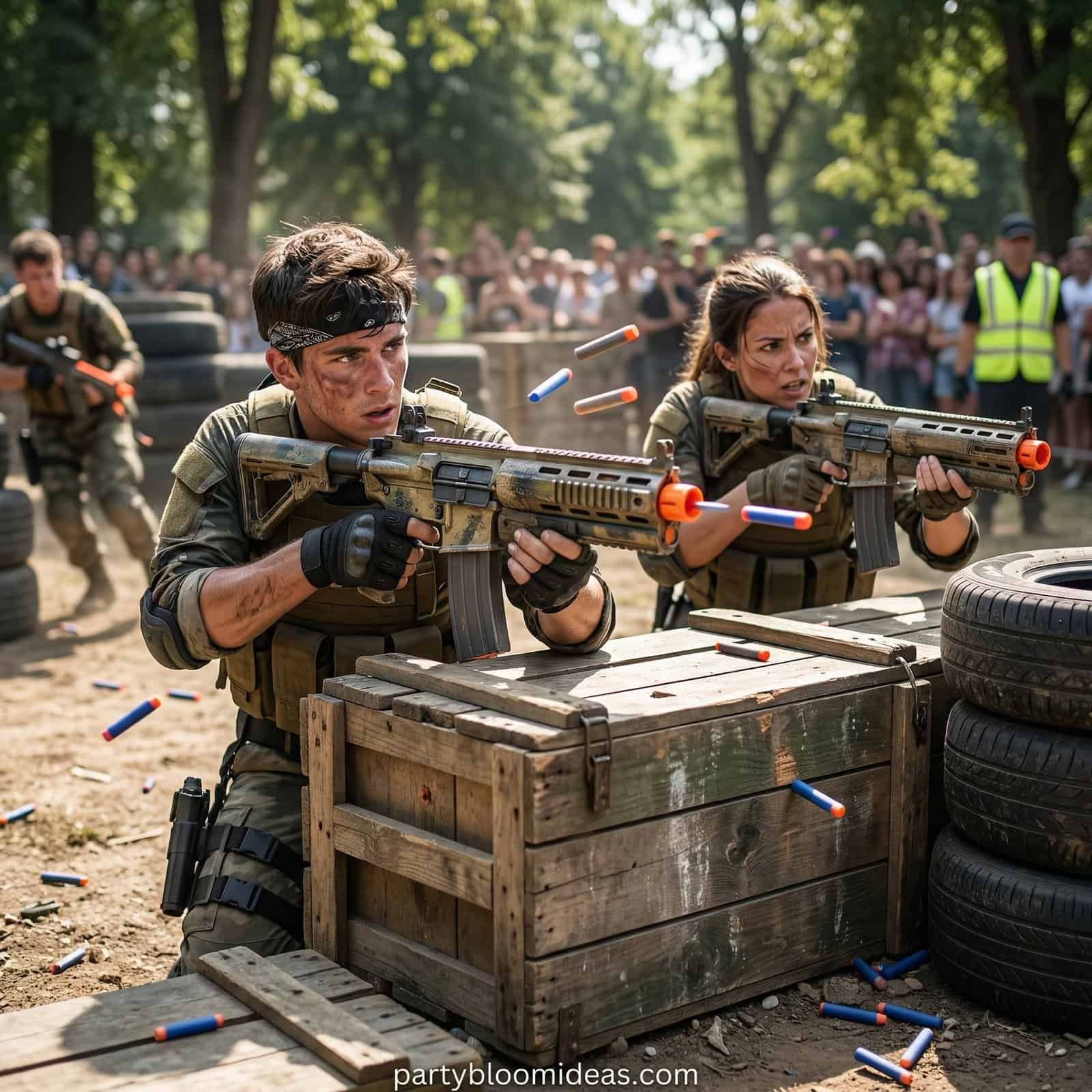
Organize a structured Nerf battle tournament with clear rules, safe zones, and team assignments — provide Nerf guns for those who don’t have them and designate specific rooms or areas of the yard as the battlefield with cover positions (upturned tables, cardboard box bunkers, pool noodle barriers). Create two distinct game modes to alternate between: a fast-paced free-for-all elimination round (last player standing wins) and a team-based flag capture mission (first team to retrieve and return the enemy flag wins). Keep spare foam darts in designated “ammo stations” throughout the battlefield so players who run out aren’t immediately disadvantaged, and enforce a reload rule requiring players to return to their team’s base to collect more darts, which creates natural movement patterns that prevent camping. Nerf battles at 12 are particularly satisfying because kids this age have enough strategic thinking to genuinely plan tactics rather than just running and shooting randomly, producing battles with real drama and memorable tactical moments.
Relay Race Olympics
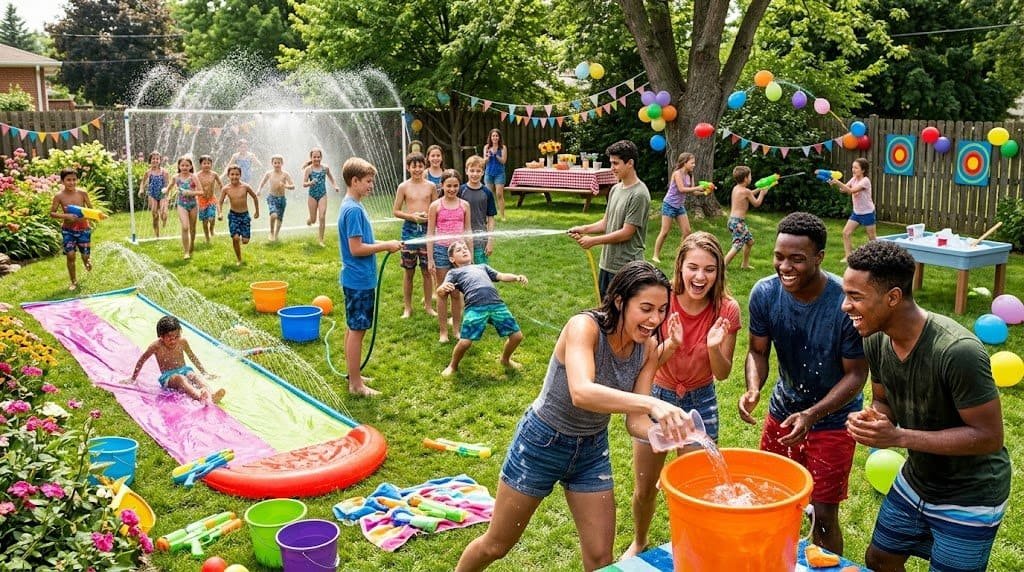
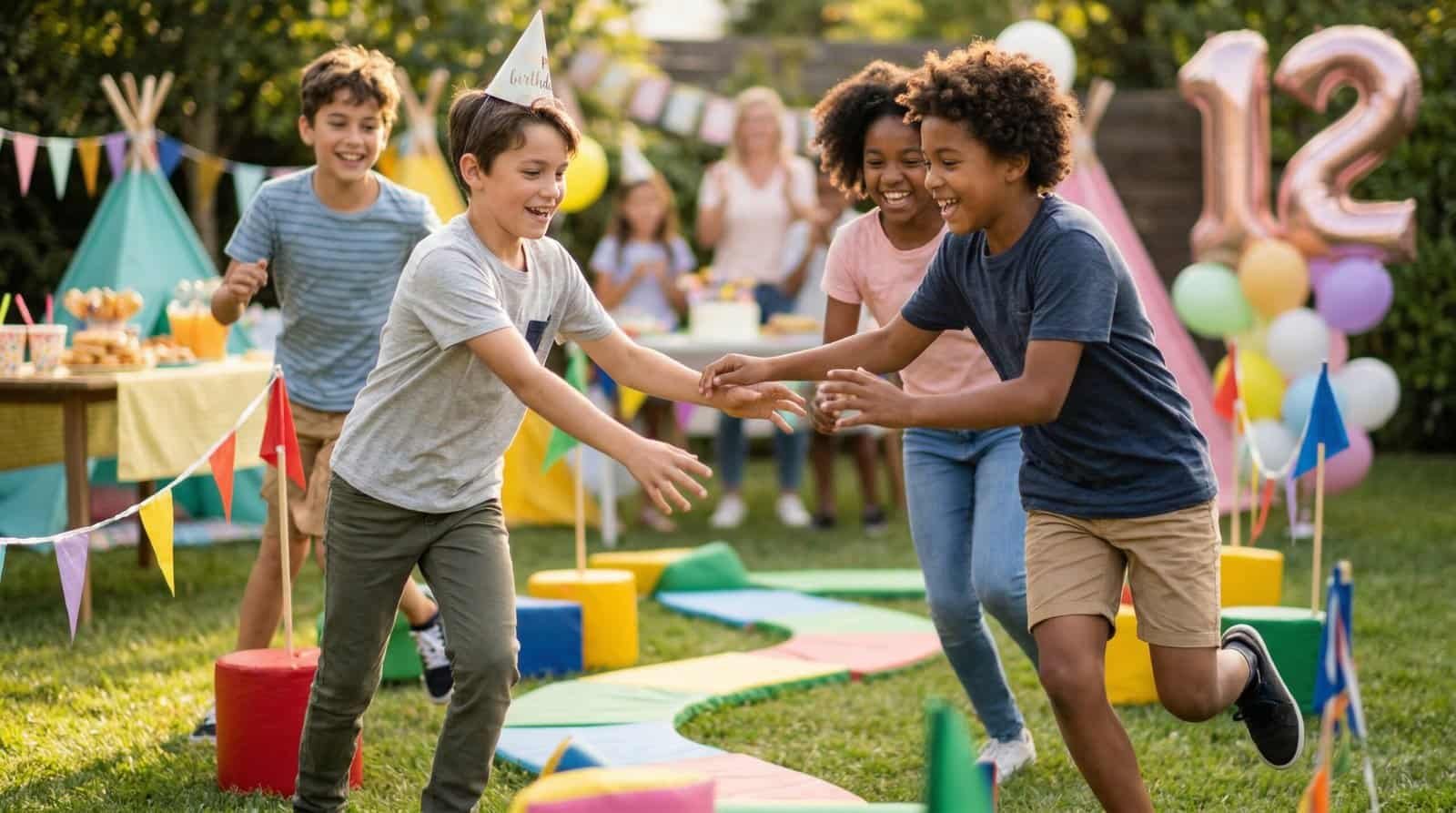
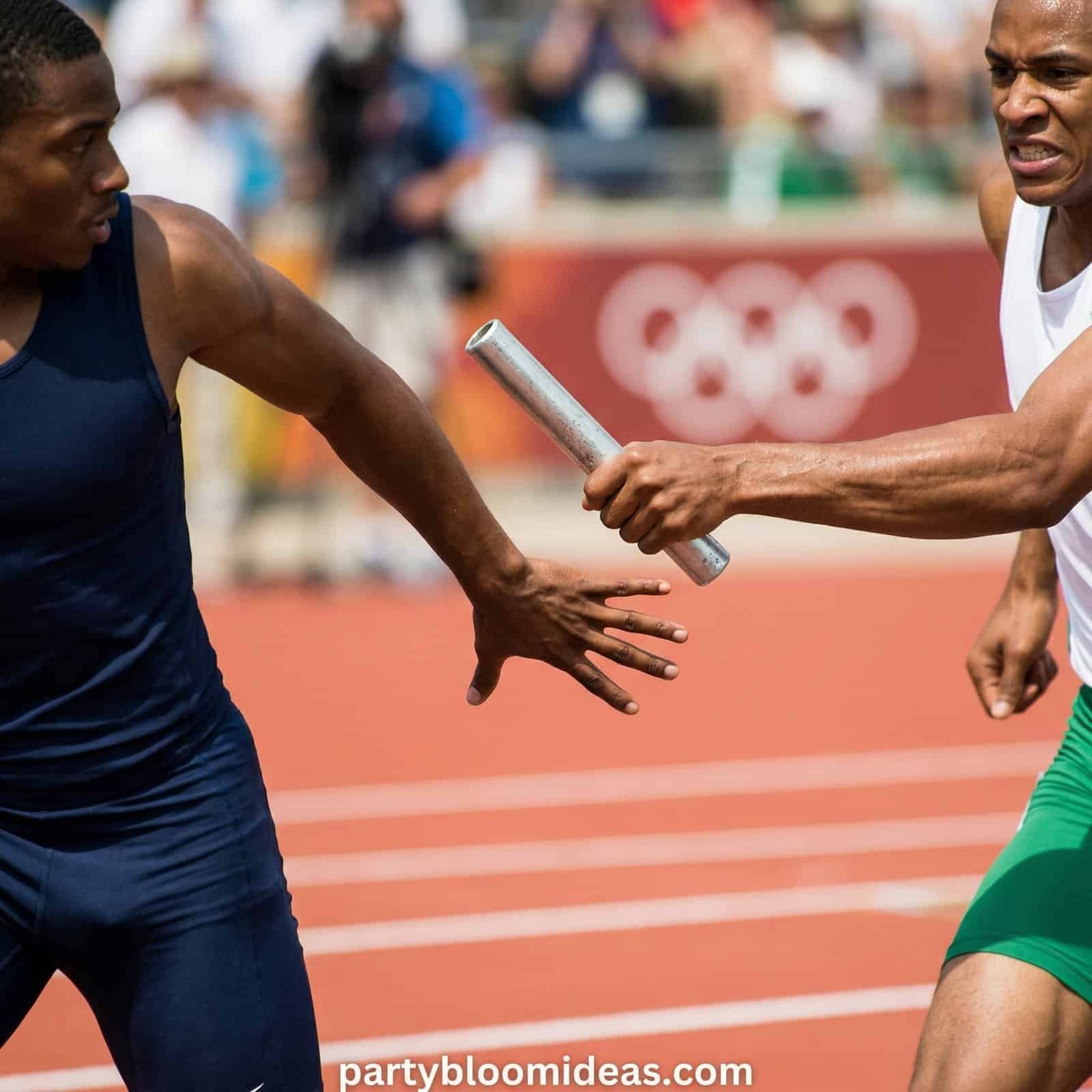
Set up a backyard Olympics with 5-6 relay events — a sack race relay, a three-legged race relay, a balloon-between-knees relay, a backwards running relay, and a crabwalk relay — and organize a proper tournament with teams earning medals for each event. Use a points table (gold = 3 points, silver = 2 points, bronze = 1 point) to produce an overall Olympics champion team at the end, which keeps every event meaningful even after a team has won or lost the opening events. Twelve-year-olds respond beautifully to the Olympics format because the multi-event structure prevents early disappointment from determining the whole experience — teams that lose the sack race can still win the crabwalk and stay in championship contention. Award a “most spirited” prize alongside the athletic medals so kids who encourage their teammates rather than just running fastest are also explicitly recognized and valued.
Minute to Win It Championship
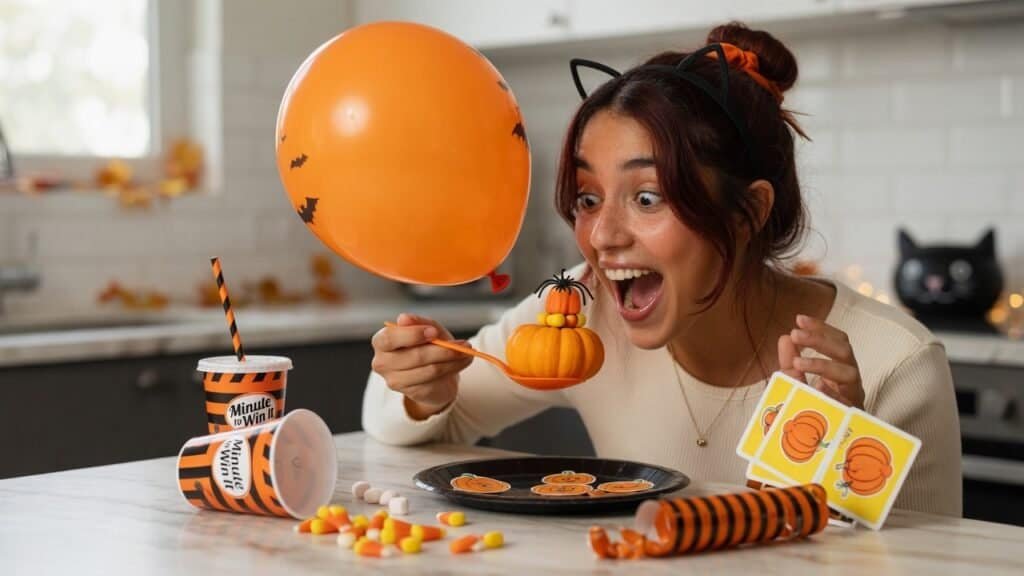
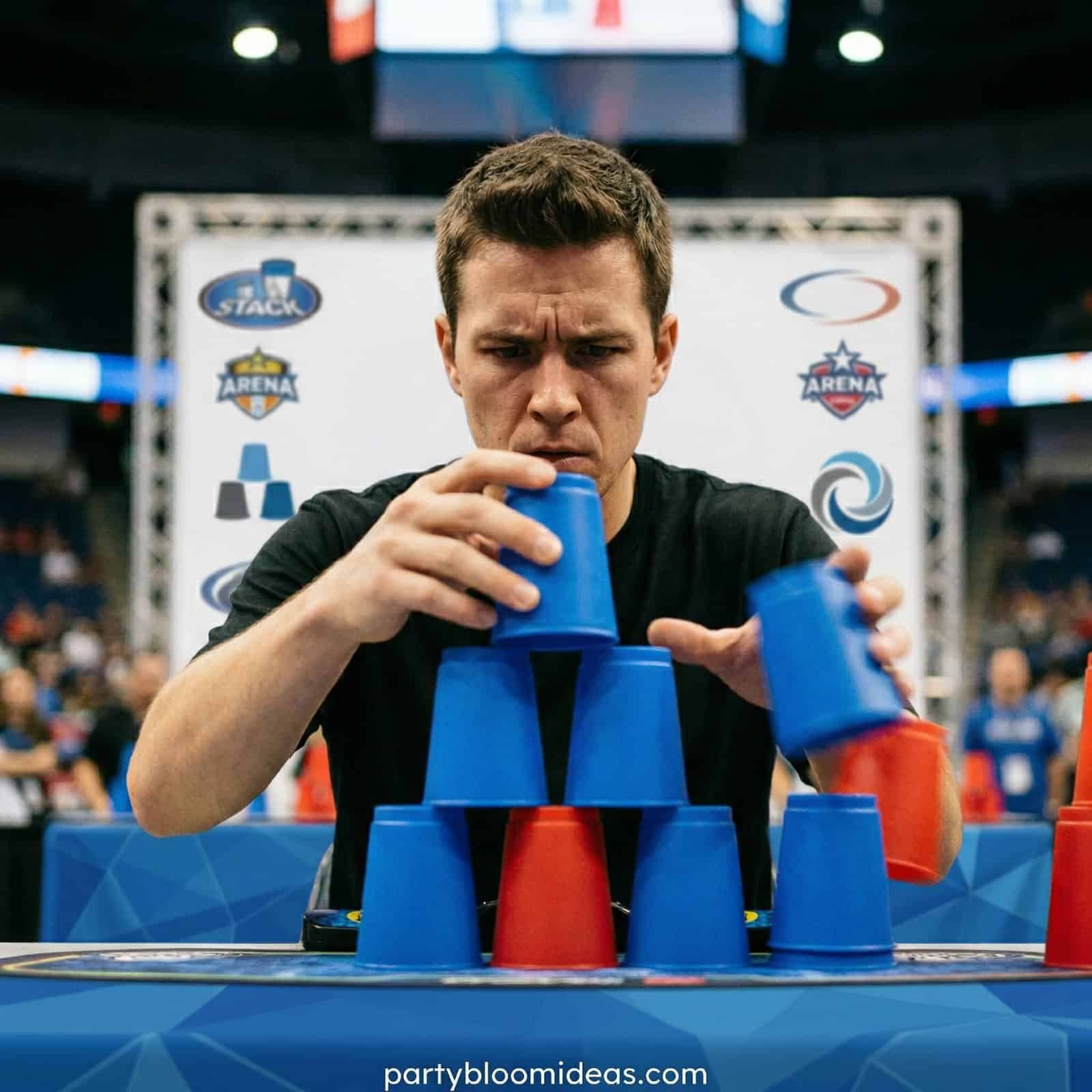
Run a mini Minute to Win It tournament specifically curated for 12-year-olds — include the Pencil Drop, Cookie Face, Stack Attack, and Balloon Waddle challenges but also add skill-based rounds like Chopstick M&M Transfer and Card Ninja that reward patience and fine motor control that 12-year-olds have developed more robustly than younger kids. Create a tournament bracket system where players advance from qualifier rounds to semi-finals to a championship final, building genuine drama and stakes throughout the event. Score each challenge on a 10-point scale rather than simple pass/fail — partial scores for almost-completions keep more players in contention and make every second of each 60-second attempt meaningful rather than over the moment one person completes the task. Announce a running leaderboard update after every event so players always know exactly what position they need to achieve to advance, which creates the specific competitive focus that 12-year-olds thrive on.
Pillow Fight Royale
Set up a designated arena area, give every player a standard pillow, and run a structured pillow fight royal — players are eliminated when they drop their pillow, step outside the arena boundary, or are knocked down to both knees. Standard pillow fight chaos is enormously fun for 12-year-olds but difficult to end and manage; the arena and elimination rules create a structure that produces clear rounds, a champion, and natural endpoints without requiring constant adult intervention. Run multiple rounds with a fresh pillow per round to prevent cumulative pillow degradation, and award a “best comeback” prize for any player who wins after being down to their last warning. This activity works brilliantly as a high-energy mid-party activity scheduled specifically after lunch when sugar and excitement levels peak simultaneously and kids need a physical outlet before settling into the quieter game portions of the party.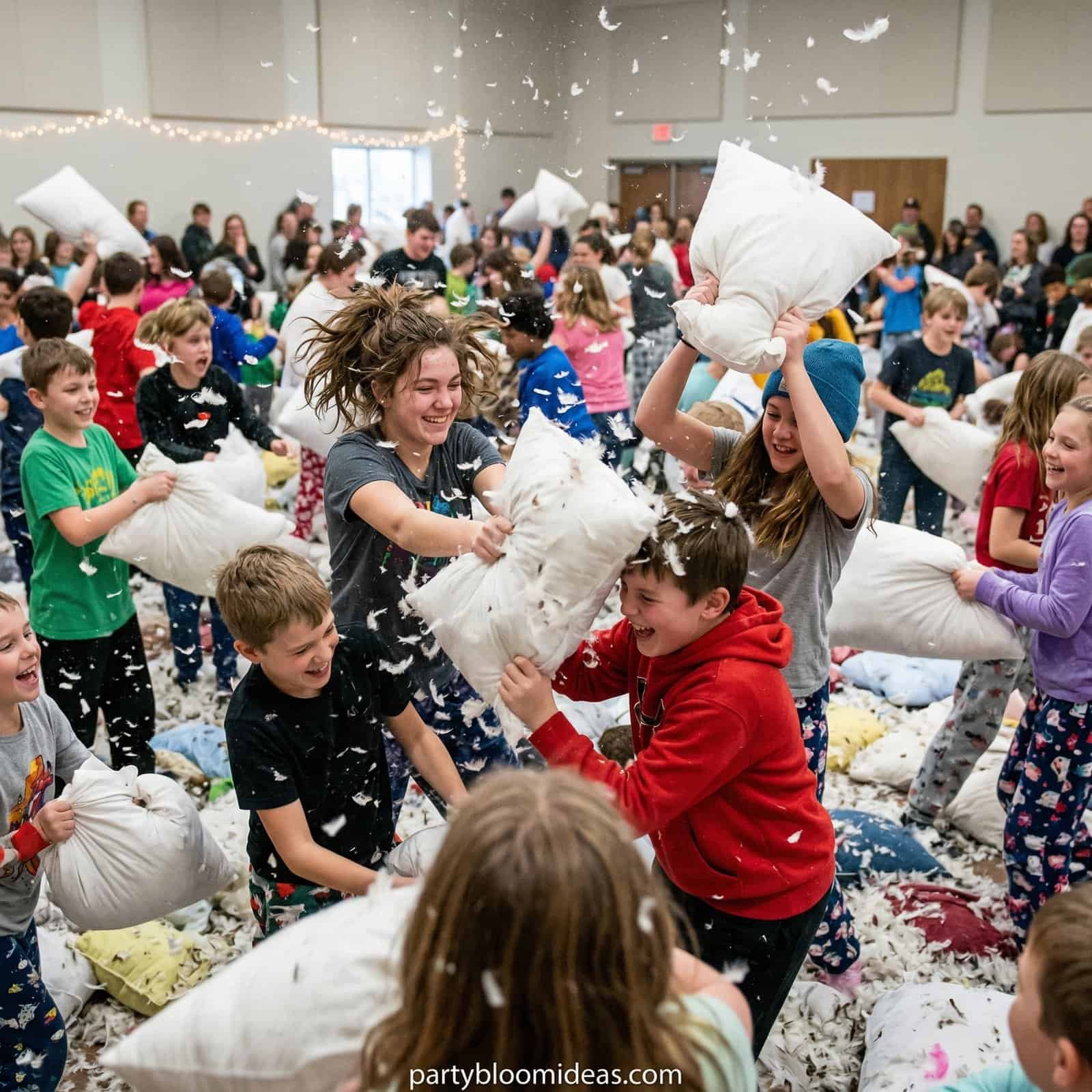
Ping Pong Ball Bounce Challenge
Set up a row of 10 cups on a table, give each player five ping pong balls and challenge them to bounce each ball off the table and into a specific assigned cup — different cups worth different points based on distance and difficulty. Unlike pure throwing games, the bounce mechanic requires players to calculate angles and surface dynamics, making it a genuinely skill-based challenge where practice within a single session produces visible improvement. Create a “speed round” format where players get unlimited balls and compete on how fast they can fill all 10 cups rather than a points-per-ball score, producing a dramatically different and more chaotic version of the same setup that rewards different skills. Twelve-year-olds find progression-based challenges particularly motivating because they can benchmark their improvement across multiple attempts within the same party, which scratches both the competitive and mastery-development instincts that are strong at this age.
🧠 Strategy & Brain Games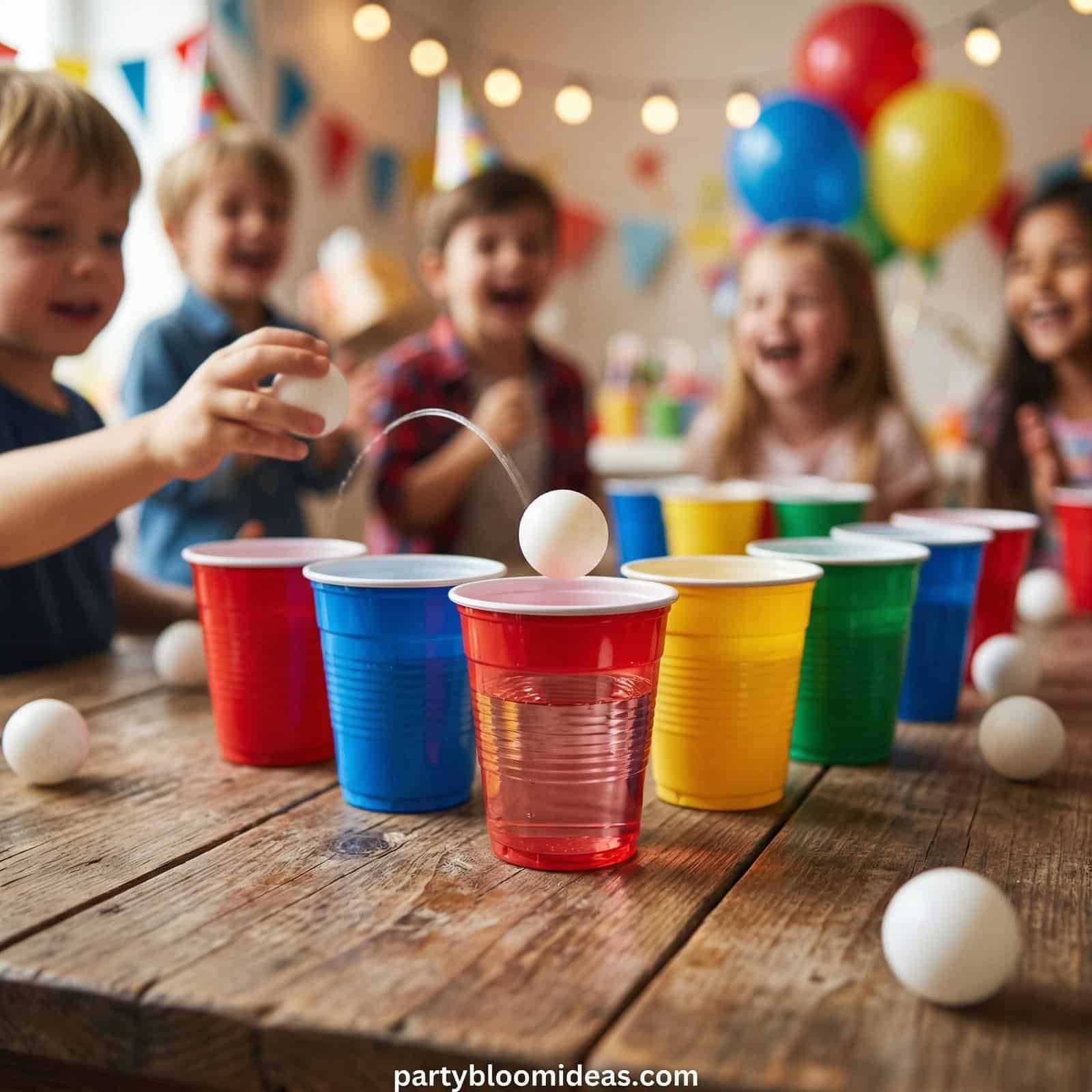
Escape Room Race
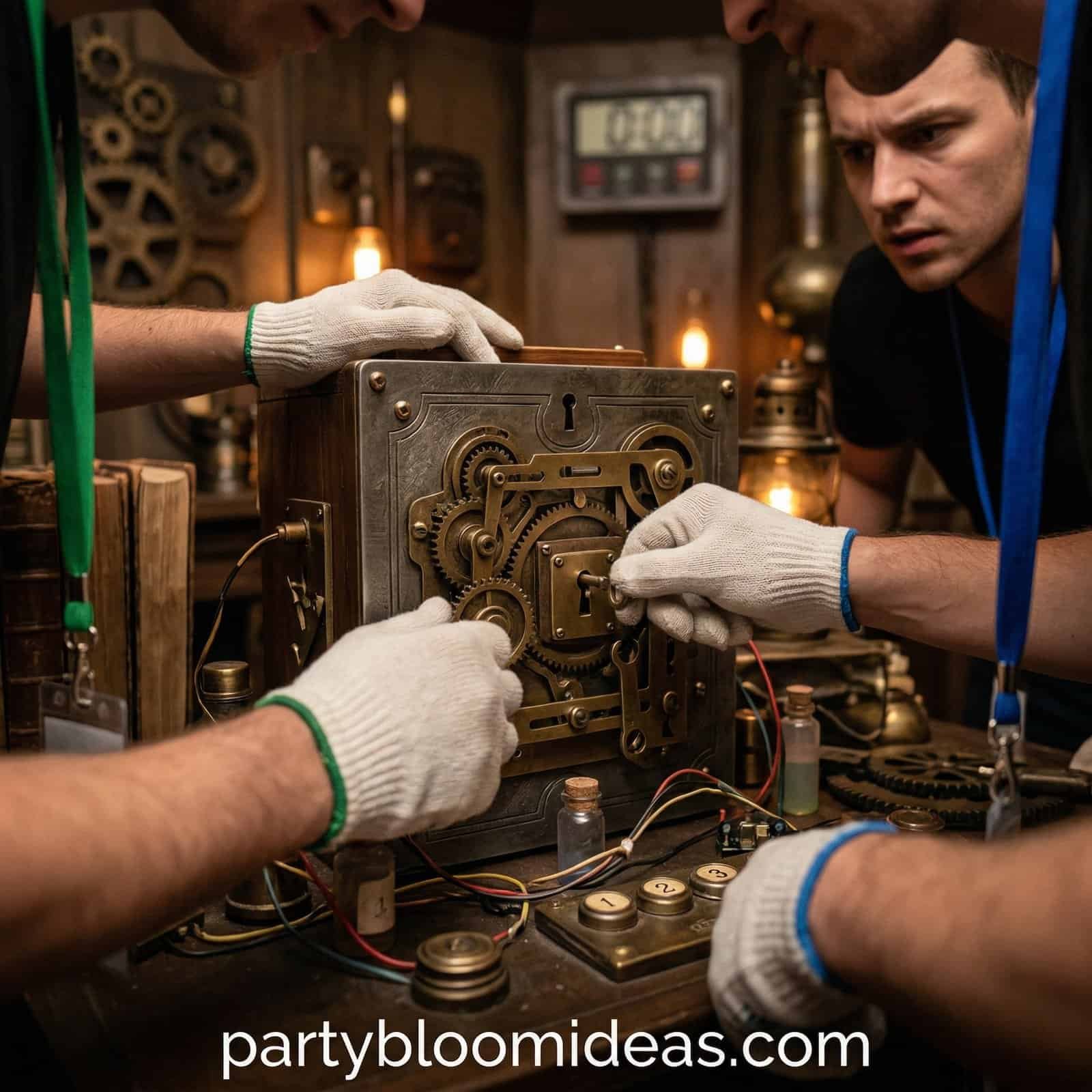
Create two identical escape rooms in different rooms of your house and have two teams race to solve them simultaneously — the same clue chain, same locks, same puzzles — to see which team completes the escape in the fastest time. The competitive element of knowing another team is working through the exact same problem in the room next door adds enormous urgency to the problem-solving, and the sound of the other team celebrating a solved puzzle creates productive pressure without being demoralizing. Design the puzzle chain to include at least one challenge that specifically benefits from multiple people thinking simultaneously — a cipher that reveals one letter at a time, a pattern recognition challenge requiring spatial reasoning from multiple angles, or an anagram that multiple minds solve faster than one — making teamwork genuinely mechanically necessary rather than optional. For 12-year-olds specifically, escape rooms develop and display logical reasoning, communication, and leadership skills in ways that are immediately visible and rewarding to the kids involved.
Pandemic Board Game Challenge
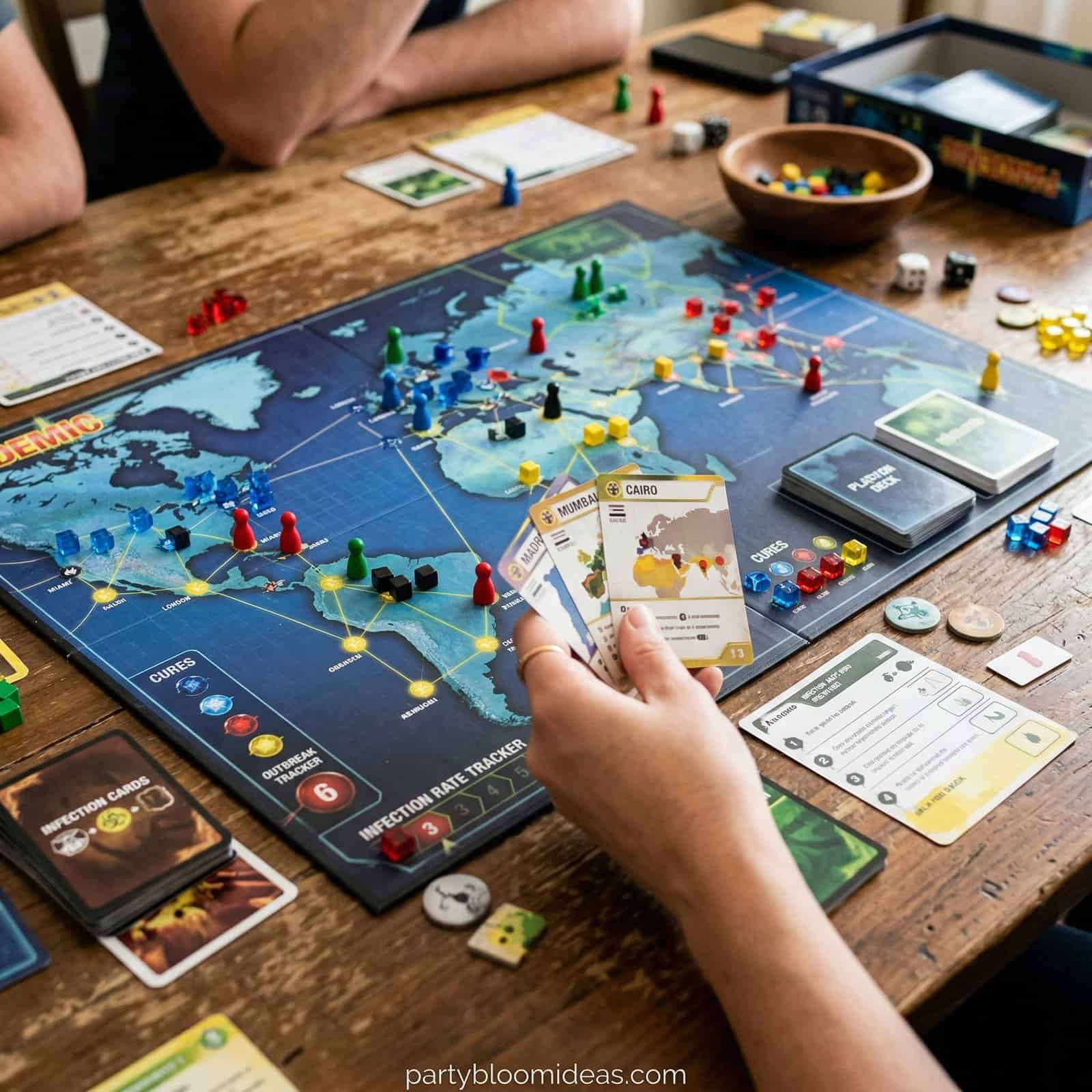
Split the group into two teams and give each team a Pandemic board game set up and running — both teams play simultaneously, racing to find all four disease cures before the outbreak limit is reached, and the team that cures all four diseases in the fewest turns wins. Cooperative games are brilliant for birthday parties because they require and develop genuine communication, role specialization, and collective decision-making — every player has specific abilities that are most valuable in specific situations, creating natural leadership moments for every participant. For 12-year-olds who have already played Pandemic, increase the difficulty to “Heroic” level; for groups new to the game, stick to standard difficulty with a brief 5-minute rules explanation before starting the clock. The shared success of a completed cure — or the shared dramatic defeat of a major outbreak — creates powerful shared emotional experiences that bond party guests through genuine collaborative adventure.
Clue: Live Action Version
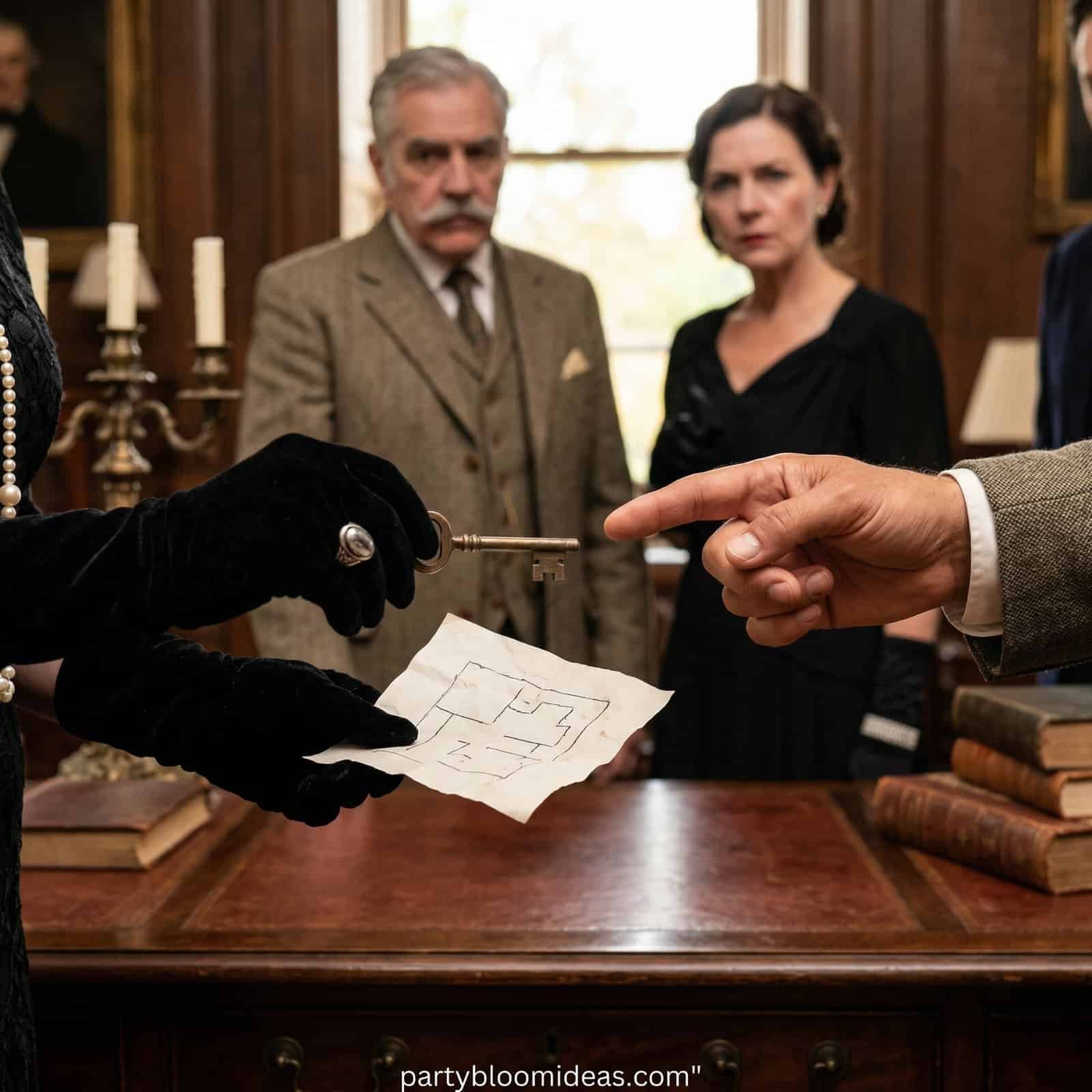
Transform your house into a live-action Clue game — assign each guest a character name (Colonel Mustard, Professor Plum, Miss Scarlet, etc.), place “weapon” props (a candlestick, a rope, a wrench) in different rooms, and create an envelope with the “solution” (suspect, weapon, room) that one designated Mystery Host knows. Players move through rooms gathering evidence clues posted on cards throughout the house, cross-examining other characters, and making formal accusations when confident — the first player to correctly identify all three elements of the mystery wins. Write clues that require visiting multiple rooms and consulting with other characters, ensuring social interaction is mechanically necessary rather than optional. Twelve-year-olds love deductive reasoning challenges and the live-action format makes the classic board game feel genuinely immersive and adventurous — wandering through different rooms gathering evidence creates the specific exploration experience that no board game version can fully replicate.
Jeopardy! Custom Edition
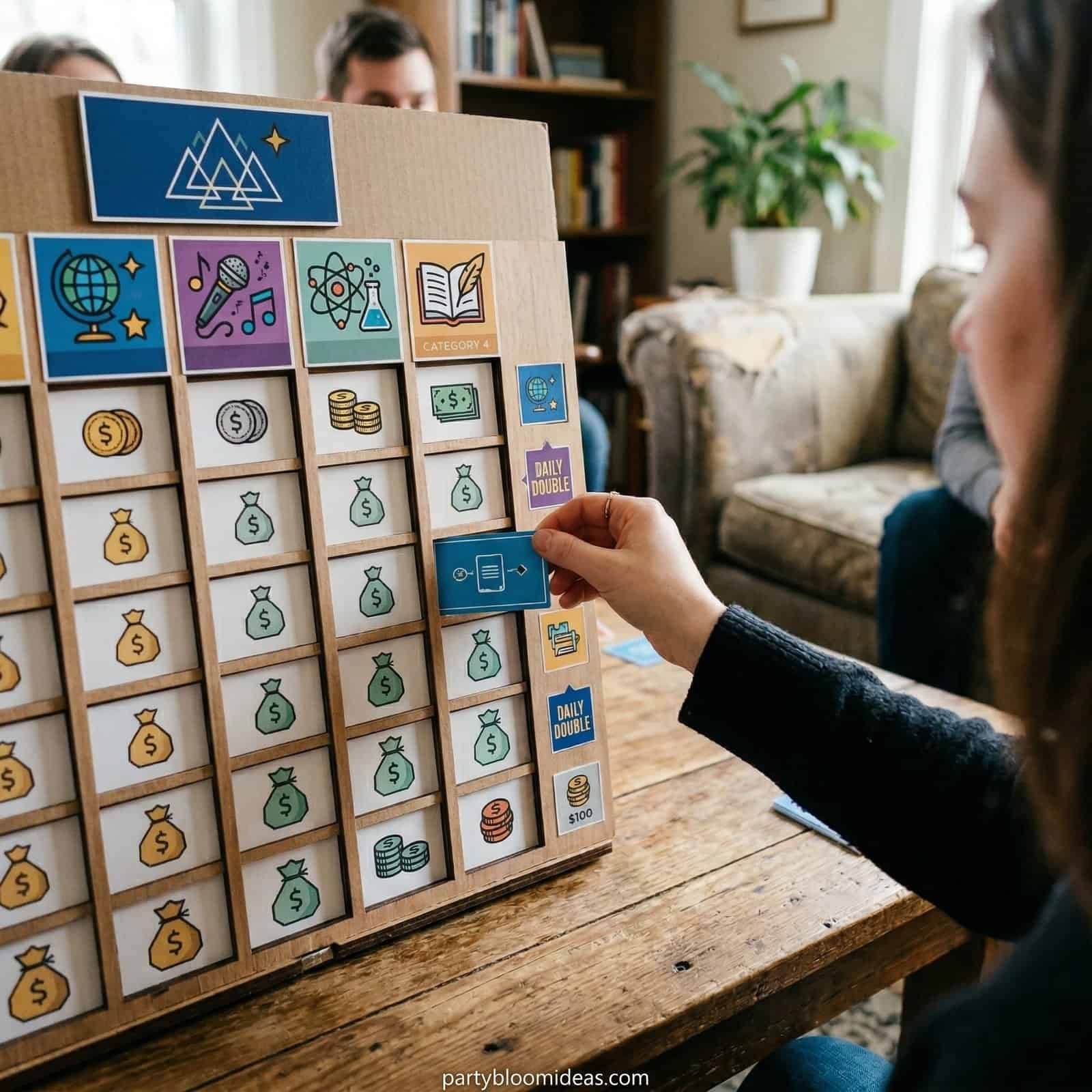
Create a custom Jeopardy! board using PowerPoint or a free online Jeopardy template, with categories specifically designed for 12-year-olds: “Things We Learned in 6th Grade,” “Video Games,” “Pop Culture 2023-2025,” “Minecraft Knowledge,” “About [Birthday Person],” and “Wild Card Challenges” where correct answers require completing a physical task. The custom category content makes this version of Jeopardy feel genuinely tailored to the group rather than generic, and the “About Birthday Person” category ensures the guest of honor remains central to the entertainment even during a game format that could easily overshadow them. Run three rounds of questions with increasing dollar values, and allow teams to wager all their current points in a Final Jeopardy round on a single high-stakes question — the strategy of whether to bet conservatively or go all-in produces the most dramatic single moment of the entire game. Award small prizes to the champion team so there’s a tangible reward alongside the prestige of the Jeopardy! victory.
Murder Mystery Lite
Run a simplified 45-minute murder mystery game using a pre-written script kit (available online for $10-15) or a custom-created scenario — each player receives a character card with their name, background, motive, and one secret piece of information — and the group must interview each other to piece together who committed the fictional crime. At 12, kids are developmentally ready for the social complexity of managing a character perspective (knowing your character is innocent but acting suspicious anyway, or knowing someone else’s secret but deciding when to reveal it) while simultaneously reasoning toward a genuine solution. The mixed task of performance (playing your character convincingly) and deduction (solving the mystery) engages both creative and analytical intelligences, making it one of the most universally engaging games for academically and socially diverse groups of 12-year-olds. End the session with everyone sharing their final accusations simultaneously on a count of three, then reveal the solution — the collective shout of “YES!” from those who got it right and “what?!” from those who guessed wrong is one of the best party moments you can orchestrate.
🎭 Creative Performance Games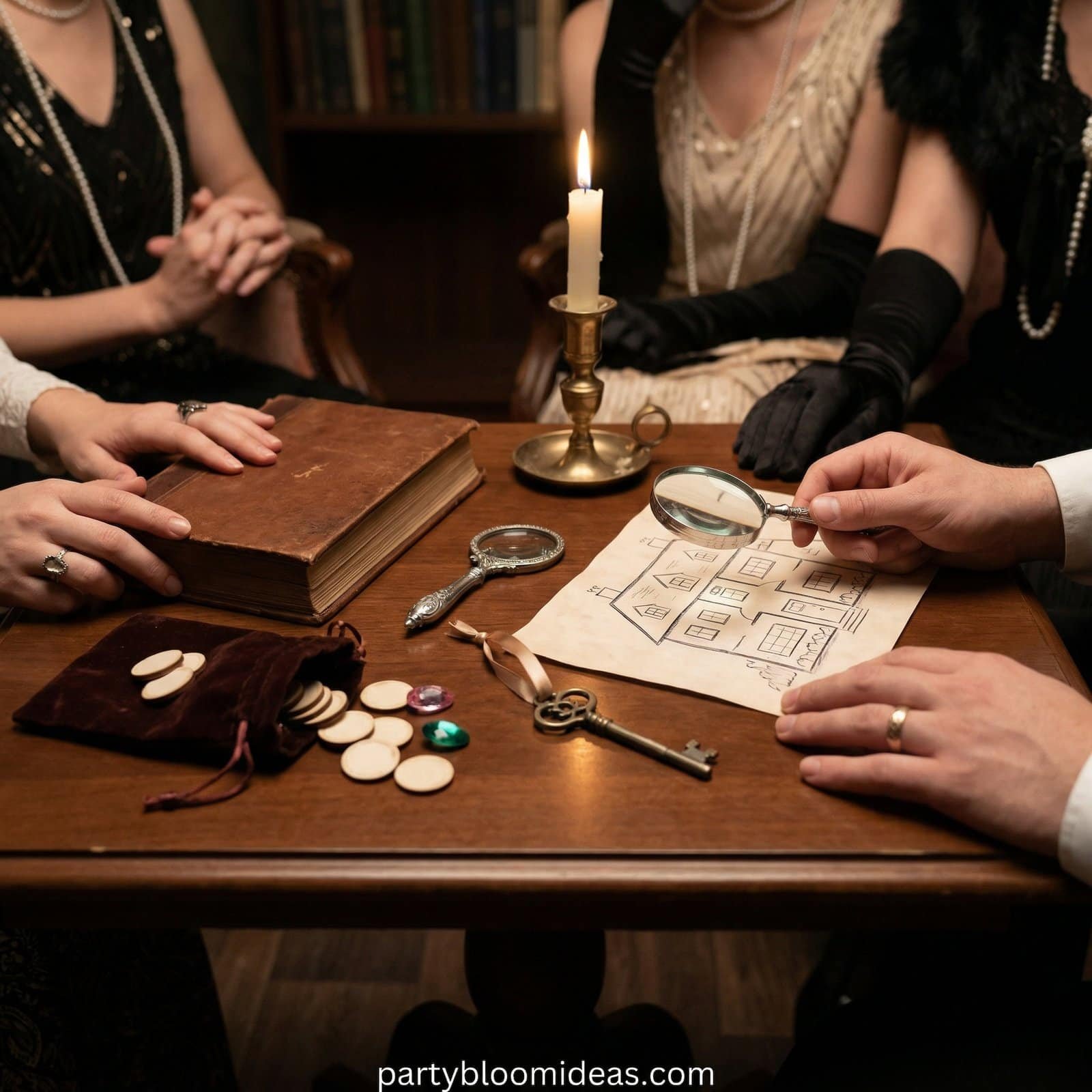
Lip Sync Battle
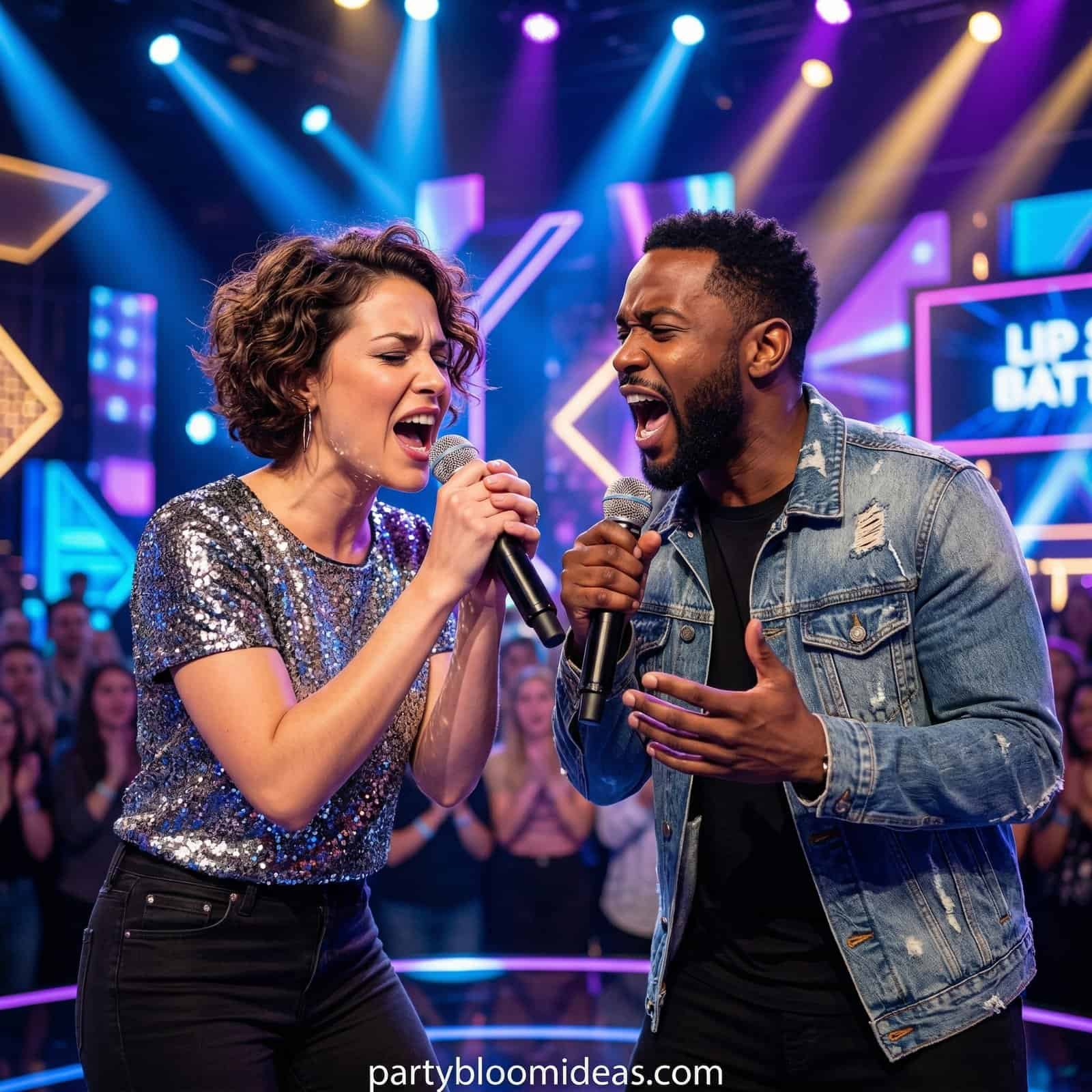
Give pairs or individual performers a random song assignment and 10 minutes to prepare a lip sync performance — with access to a “costume box” of props and accessories — then judge each performance on commitment, creativity, and entertainment value rather than accuracy. The performance format rewards kids who go all-in on commitment and creativity rather than those who simply know the song best, which levels the playing field and encourages genuine theatrical choices rather than cautious, technically safe performances. Create a three-judge panel (rotating through guests) who score each performance on commitment (1-10), creativity (1-10), and entertainment (1-10), and read the scores in proper talent show format with maximum dramatic pause. For 12-year-olds, the specific combination of having a socially safe performance context (everyone is doing it, it’s a game) with genuine audience attention creates a developmental sweet spot where kids who would never perform voluntarily discover that performing is actually wonderful.
Improv Game Showdown
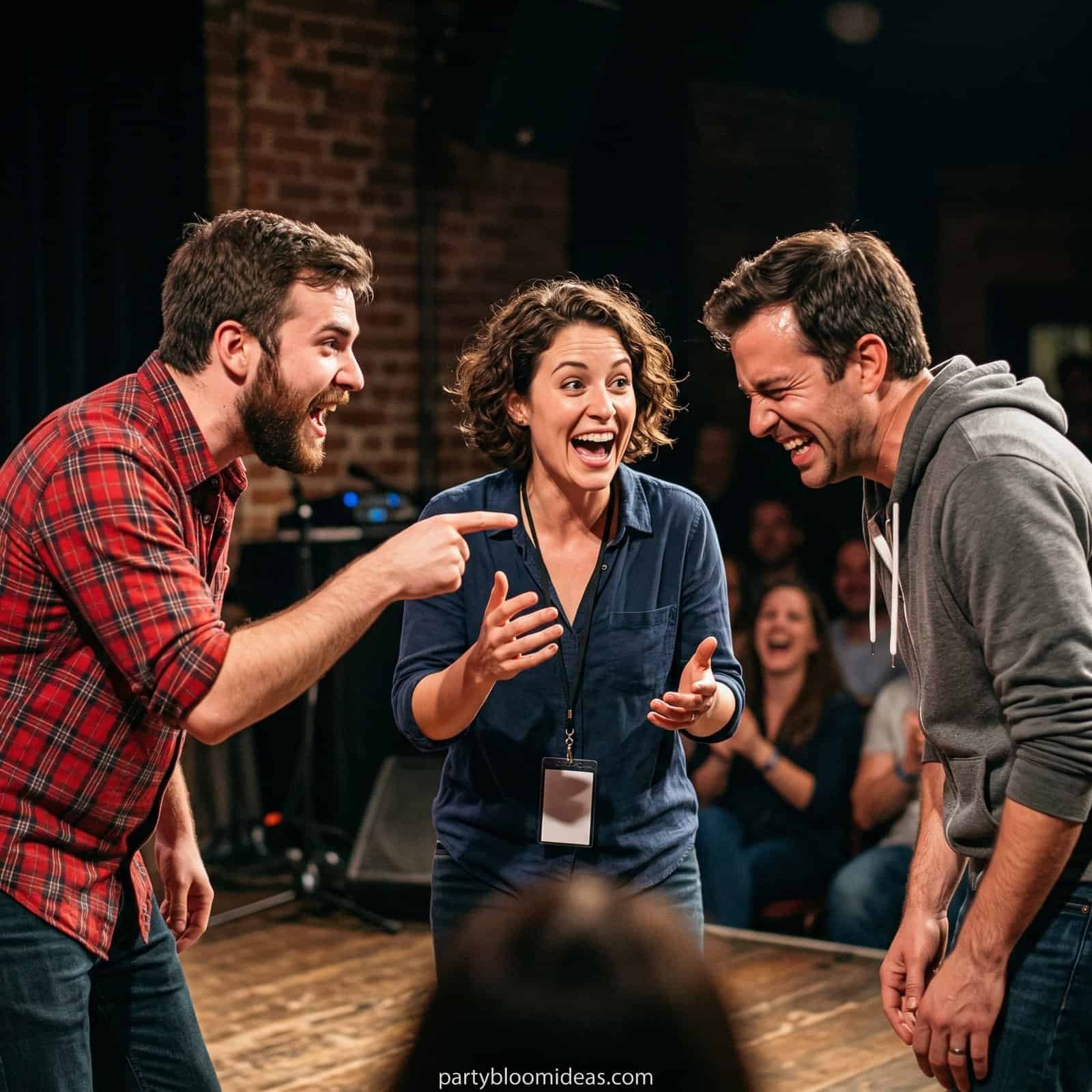
Run a series of classic improv games back-to-back — Yes And (two players build a scene where each line must begin with “Yes and…”), Freeze Tag (audience can call freeze and one person takes the frozen player’s position and starts a completely new scene), and Expert Panel (three players pose as experts on a ridiculous topic and answer “audience” questions). Twelve-year-olds at this age are developmentally primed for improv because they have enough social awareness to “read the room” and build on each other’s contributions, but still the uninhibited willingness to commit to silly scenarios that makes improv actually work. The “Yes And” rule specifically — which requires accepting and building on whatever your partner says rather than blocking or redirecting — teaches a genuinely valuable social skill under the disguise of a party game. Film the best scenes and create a brief highlight reel to share with the group at the end of the party, giving the performers a genuine audience reaction moment that validates the creative vulnerability they showed.
Telephone Pictionary
Provide every player with a stack of small cards (8 per person) and start with each player writing a phrase on their top card — then pass the stack to the next person who draws the phrase on the next card, folds over the original phrase card, and passes it on — alternating between drawing the previous image and writing a phrase describing the previous drawing until all cards are used. When all stacks have made the full circuit, reveal each stack card-by-card from start to finish and watch as the original phrase transforms through a series of misinterpretations into something completely unrecognizable — usually within just three or four passes. The gradual drift from “birthday party in outer space” to “astronaut cake” to “robot eating at a table” to “dinner party for robots” is the specific comedy of Telephone Pictionary, and the final reveal of the original prompt alongside the final interpretation always generates genuine shock and delight. Twelve-year-olds find this game particularly rewarding because the artistic skill level of the group is irrelevant to the entertainment — the gap between intention and interpretation is equally funny regardless of drawing ability.
💬 Social & Bonding Games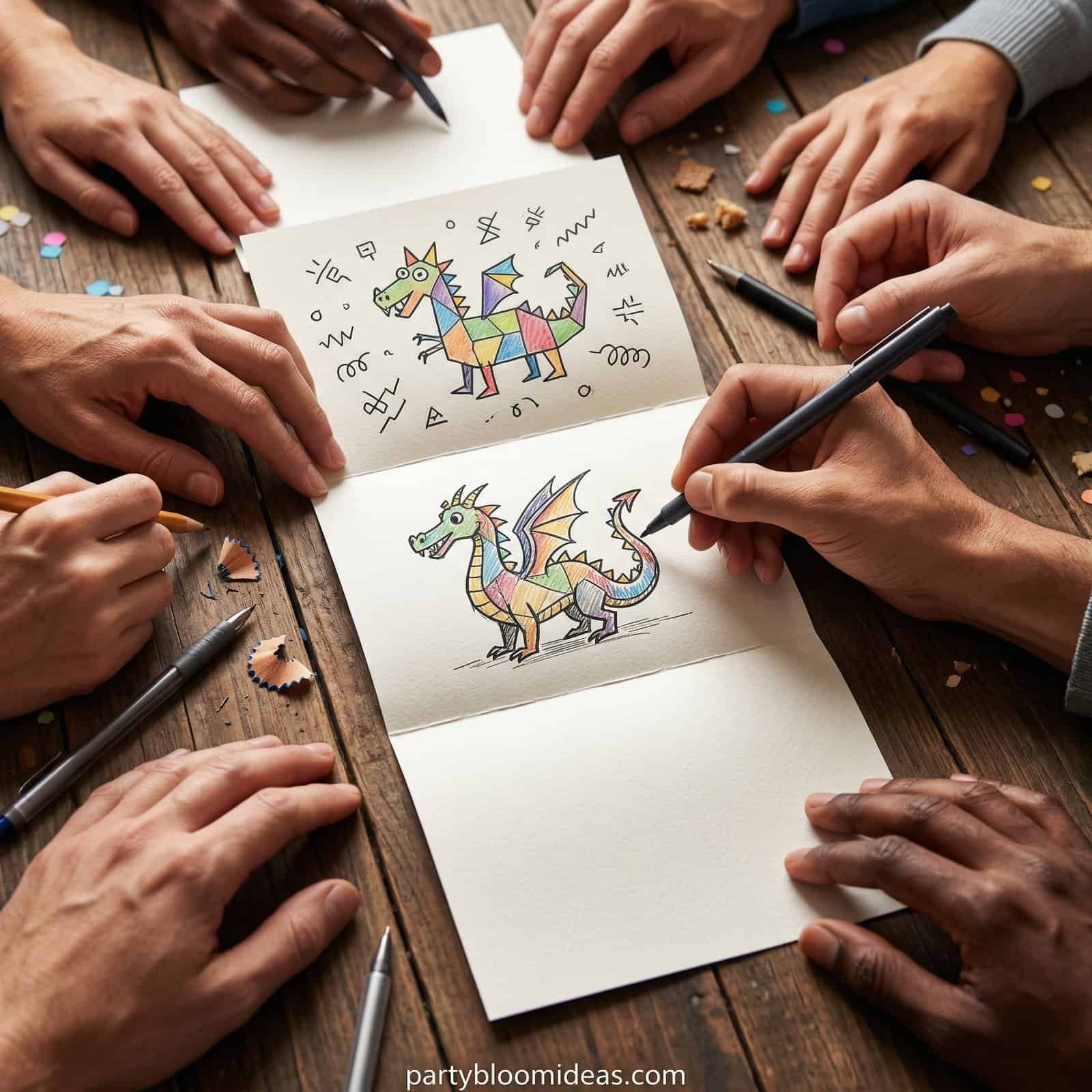
This or That: Lightning Round
Ask rapid-fire “This or That” questions where every player must choose one option and physically move to a designated side of the room — those who chose “This” go left, those who chose “That” go right — with no fence-sitting allowed. Questions should be genuinely thought-provoking rather than obvious: “Lose your phone for a month or lose your best friend for a month?”, “Skip school for a year or skip summer for a year?”, “Be famous for something embarrassing or be unknown for something amazing?”, and “Have the power to fly but only as fast as walking or have the power to run but as fast as a car?” The physical splitting of the room makes everyone’s choices visible and sparks immediate debate between the two sides, with 12-year-olds enthusiastically defending their choices and challenging others across the room divide. This game is brilliant for groups where not everyone knows each other well because it reveals genuine personality and values through choices rather than through direct questioning, creating organic conversation starters.

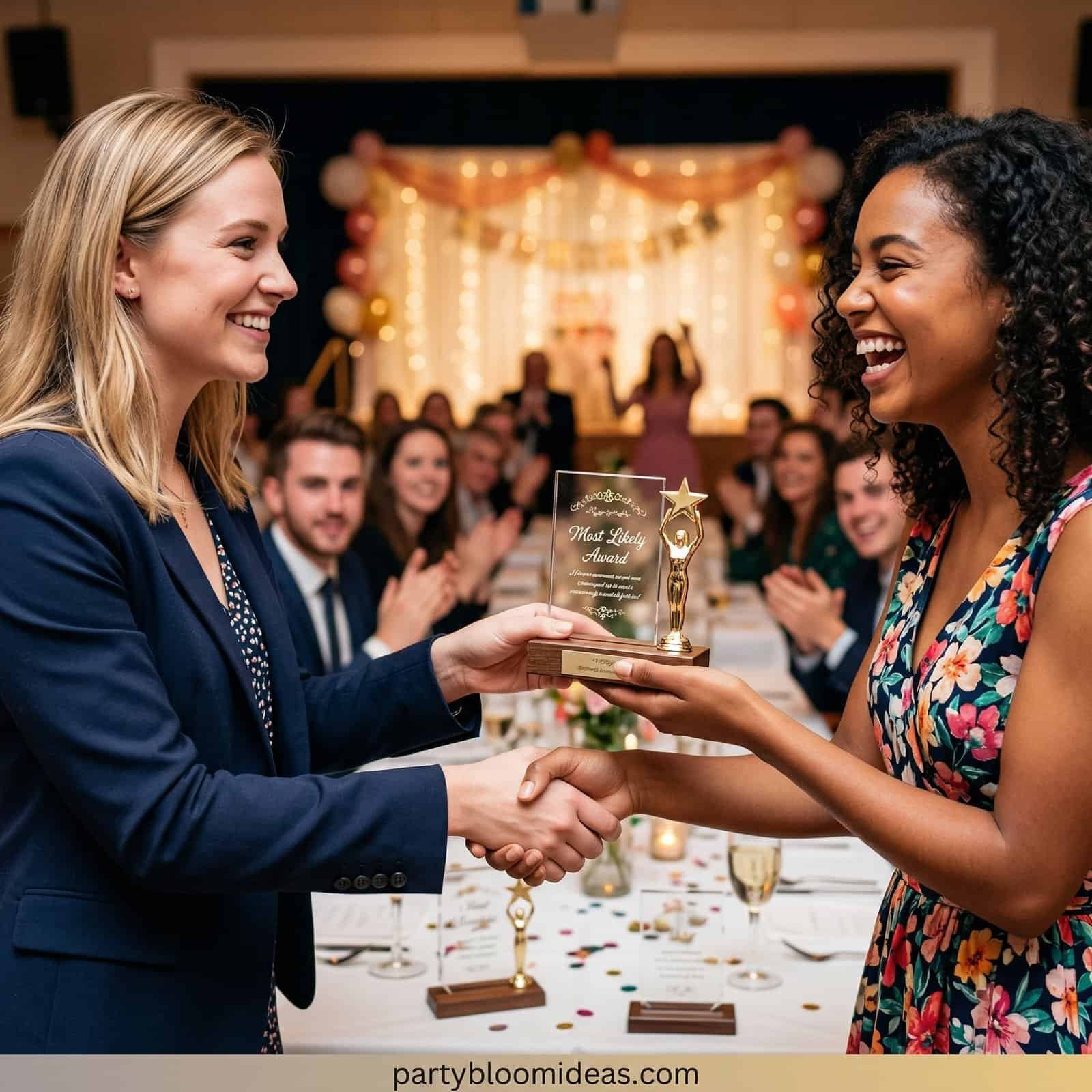
Most Likely To Award Ceremony
Create a “Most Likely To” ceremony where guests vote secretly (write answers on paper slips) for which party guest is Most Likely To win a Grammy, Most Likely To become a billionaire, Most Likely To travel to every country, Most Likely To star in a movie, and 10 other positive aspirational categories. Tally votes and announce winners one at a time with dramatic ceremony — full applause, the winner stands to receive the vote count, and shares whether they think the award fits or is hilariously wrong. At 12, this activity works on multiple levels simultaneously: it’s entertaining, it creates genuine positive attention for every winner, it tells each guest something real about how their peers see their potential, and it serves as a genuinely nice birthday party tradition of collective appreciation. Create a printed “certificate” for each category winner that they can take home — inexpensive to print but enormously meaningful as a tangible record of being seen and valued by their peers at a significant birthday.
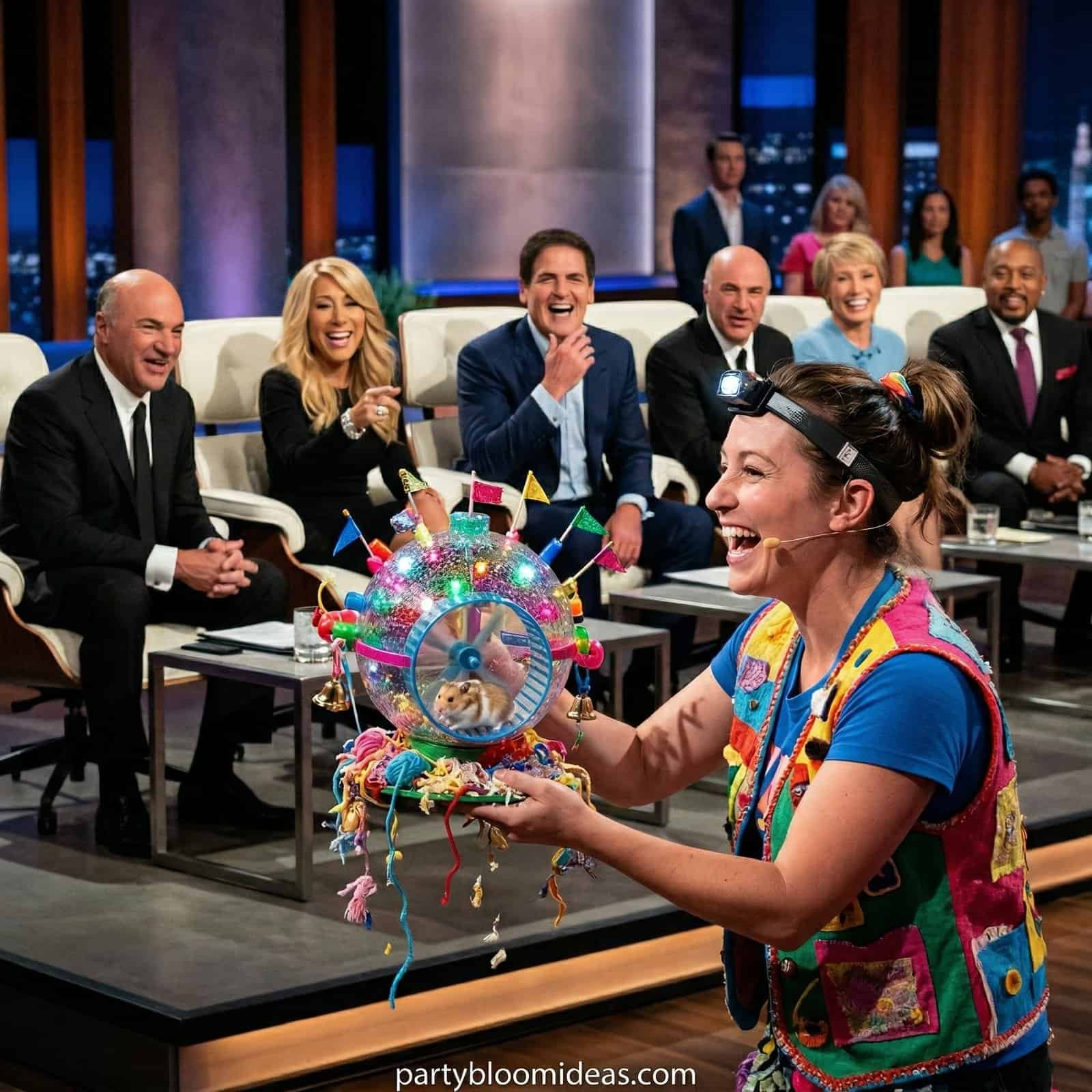
Shark Tank: Silly Products
Divide into teams and give each team 10 minutes to invent, name, and prepare a 90-second pitch for a completely absurd fictional product — teams must present the product name, what problem it solves, its unique selling points, and their requested investment amount to a “Shark Tank” panel of 2-3 judges. Provide each team with a bag of random craft supplies (pipe cleaners, construction paper, cotton balls, rubber bands) that must be incorporated into a physical prop or prototype of their product. Twelve-year-olds are brilliantly creative with this format — products like “The Homework Finisher Robot That Also Judges Your Teachers” and “Pajamas With Built-In Snack Pockets For Emergency Midnight Snacking” emerge from groups that are given genuine creative freedom and a 10-minute deadline. The judging panel can ask one question per team before deliberating and delivering their verdict, adding a public speaking element that feels appropriately grown-up and genuinely exciting to perform in front of the group.
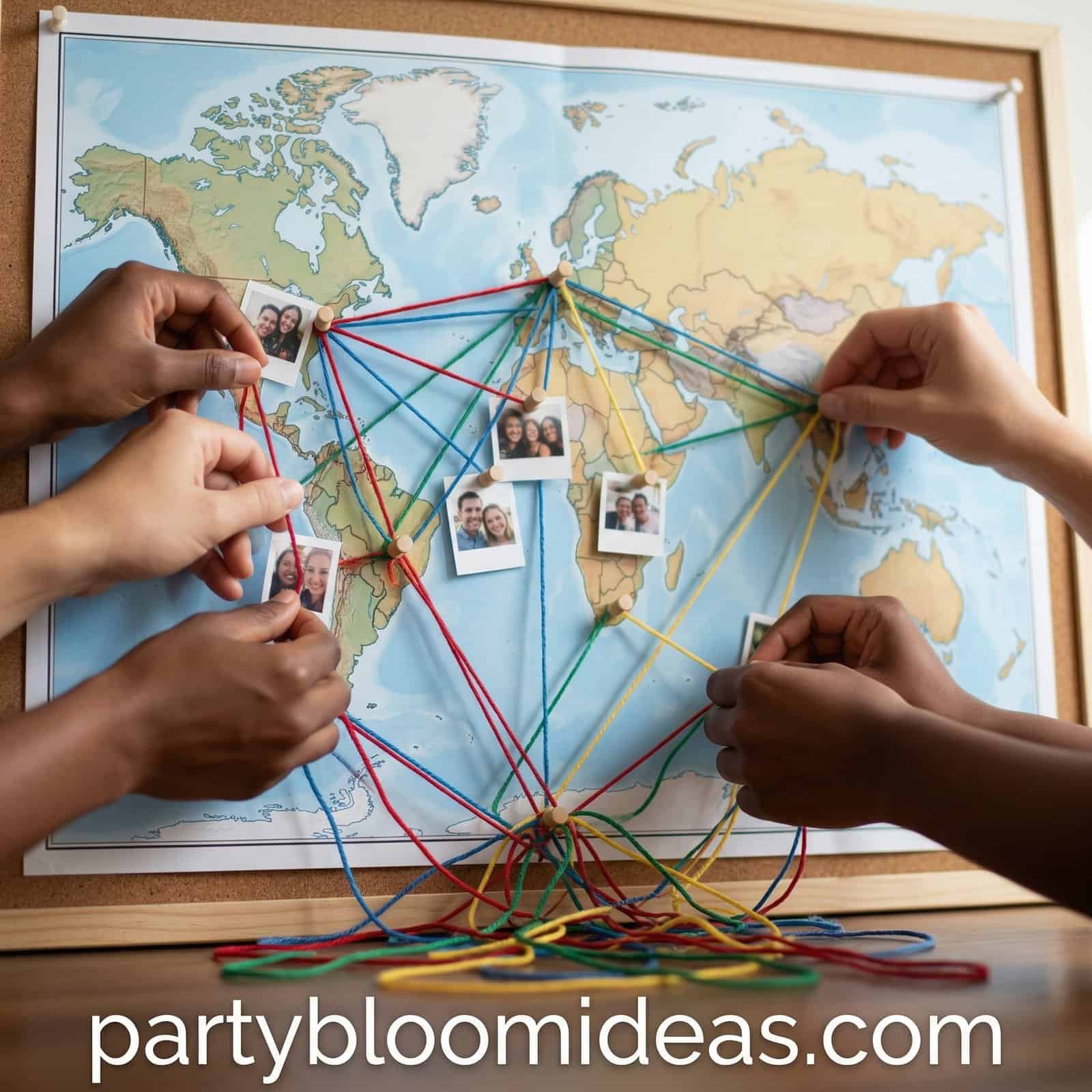
Friendship Map Activity
Give each guest a large sheet of paper and markers, then challenge them to create a visual “friendship map” showing everyone at the party and their relationship — not just a list of names but a genuine visual representation of who met who where, what they have in common, and what connects them to the birthday person and to each other. Display all completed maps after 10 minutes and invite guests to share one interesting thing they discovered about their own social connections while drawing the map. This reflective activity works beautifully as a quieter interlude between high-energy games, bringing the group together around a shared subject (their own friendship network) in a format that naturally generates warmth, nostalgia, and appreciation. For a 12th birthday party where the guest list spans different school friend groups, sports teams, and neighborhood connections, the friendship map often reveals surprising connections between guests who didn’t realize they had mutual friends or shared experiences outside of this specific relationship with the birthday person.
Superlative Voting Round
Create a custom superlative ballot with 15 categories specifically designed for the group — not generic “class superlatives” but personalized categories like “Most Likely To Quote a Movie Incorrectly,” “Best at Explaining Memes to Adults,” and “Most Likely To Start a Successful Business Before Graduating High School.” Have everyone vote simultaneously on paper, tally the results privately, then announce winners in reverse order of how embarrassing/funny versus genuinely flattering each category is, building toward the most meaningful category last. The custom categories that reflect genuine inside knowledge of the group — references to shared experiences, known personality traits, and authentic group dynamics — make this feel like a genuine celebration of who these specific people are rather than a generic activity. Photograph each “winner” as their category is announced to create a complete set of superlative portraits that can be compiled into a birthday gift photo album for the guest of honor.

Memory Lane Video
Compile a 5-minute video of photos and short video clips from the birthday person’s life from birth through present day — set to a soundtrack of songs that were popular during different years of their life — and screen it for the full party group as a shared birthday tribute. Invite guests who contributed photos to raise their hand when a photo they provided appears on screen, creating a collaborative credit sequence that acknowledges everyone’s participation. Add funny captions to specific photos before the screening — “The year they discovered pizza,” “The summer they decided heights were not their thing” — that transform the slideshow from a sentimental tribute into a genuinely funny and loving retrospective. End the video with a final slide listing every guest present at today’s party and a message from the birthday person’s parents, transitioning the group naturally into the cake-cutting and gift-opening portion of the celebration with emotional momentum built from the shared watching experience.
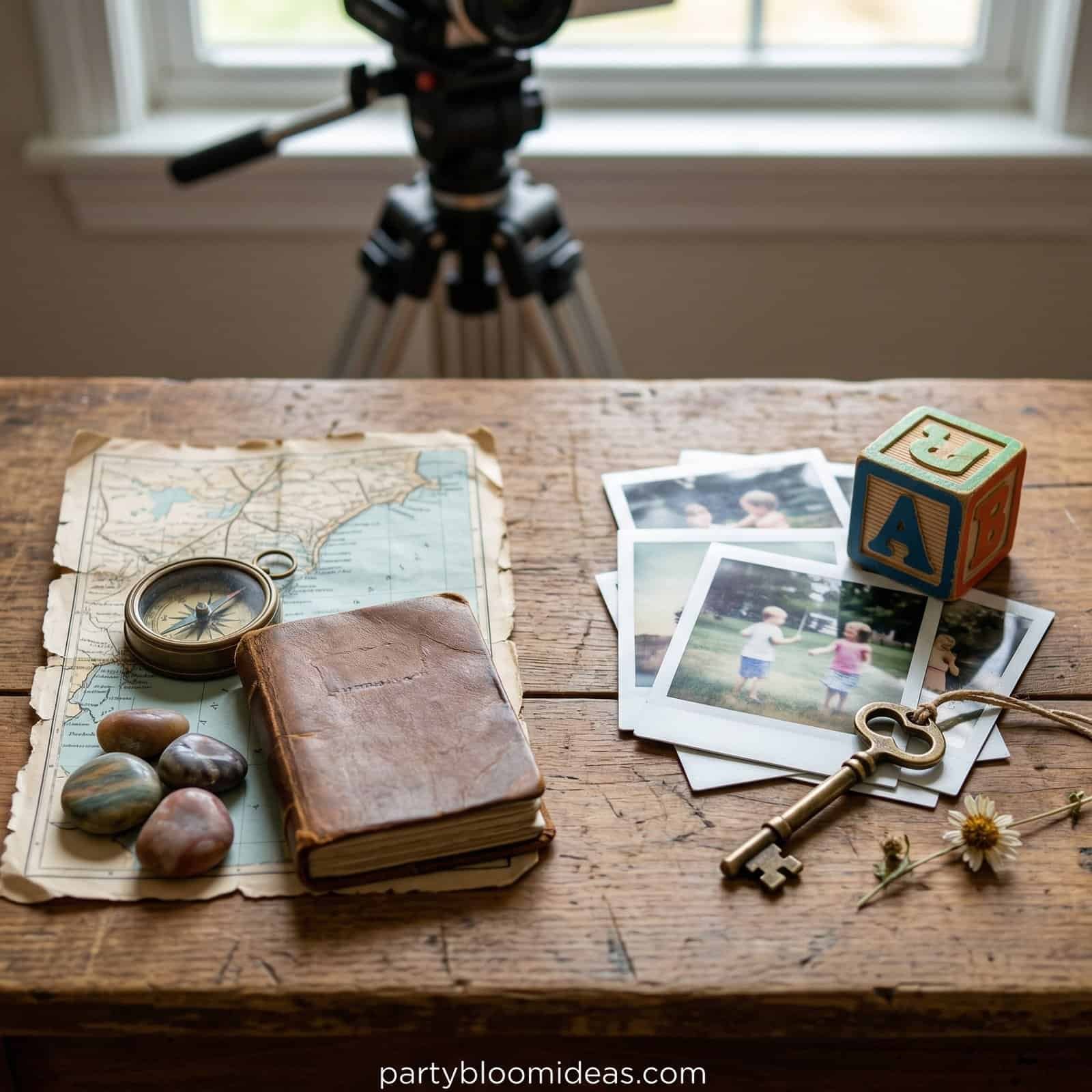
Time Capsule Creation
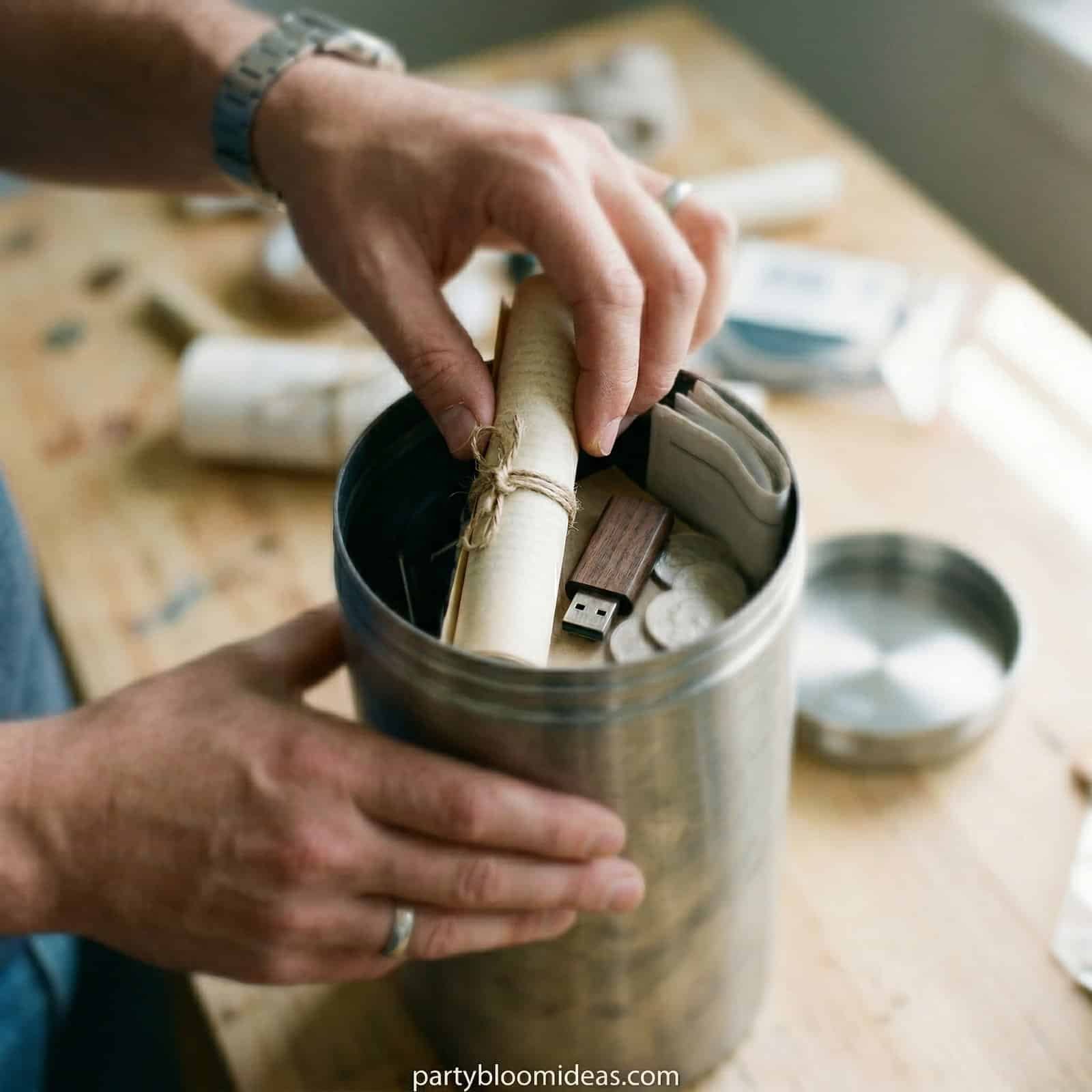
Provide each guest with a small card and an envelope, and ask them to write a letter to their future self imagining what their life will look like at age 22 — then seal the envelope with their name on the outside and contribute it to a collective time capsule box that the birthday person keeps and promises to return at a future reunion. Include a “state of the world in 2025” insert that you’ve prepared in advance — current popular songs, movie titles, world events, and prices of everyday items — so the time capsule has contextual anchoring that makes the future opening genuinely interesting regardless of how much the group has changed. This activity is simultaneously a party favor (each guest gets their own letter back someday), a gift to the birthday person (a box of letters from their people at age 12), and a genuine community promise (they’ll need to meet again to distribute the letters). For 12-year-old milestone birthday parties specifically, the time capsule format honors the significance of the age by creating something that acknowledges the person they are today while looking toward who they’ll become.
Group Gratitude Toast
End the party’s game portion with a structured gratitude toast where each guest stands and shares one specific thing they genuinely appreciate about the birthday person — not “you’re nice” but a specific memory, quality, or moment that has mattered to them. Give guests 2 minutes of thinking time before the toast begins so everyone has something genuinely meaningful prepared rather than scrambling in the moment. The birthday person sits at the center and receives each toast while maintaining eye contact with the speaker — a simple but powerful act of receiving appreciation directly that many 12-year-olds find both moving and slightly difficult in the most valuable way. At a 12th birthday, this closing ritual transforms the party from a collection of fun activities into a genuine celebration of a specific person by specific people who chose to be there — and that felt sense of being truly seen and appreciated is the most meaningful birthday gift the party can give, outlasting any cake or present.

🎊 Plan the Perfect 12th Birthday Party!
Twelve is a genuinely special age — right at the edge of childhood and the beginning of something new. These 21 games honor exactly where 12-year-olds are: capable of real strategy, hungry for genuine connection, and still beautifully capable of completely uninhibited fun.
🎂 More tween party ideas at PartyBloomIdeas.com 🎂
Read More : 21 Exciting Birthday Party Games for 12-Year-Olds (2026)