🎂 Quick Summary
Thirteen is the official launch into the teen years — and 13-year-olds are at an age where they want to feel genuinely cool, not like they’re playing “little kid” games at a party. The key is finding games that are actually fun without feeling forced or babyish: fast-paced, socially savvy, a little bit competitive, and ideally involving phones, creativity, or something they can brag about afterward. These 21 birthday party games hit exactly that sweet spot — perfect for the new teenager who wants a celebration that feels grown-up and genuinely memorable.
🎮 21 Birthday Party Games For 13-Year-Olds (2026)
By PartyBloomIdeas Team | Updated 2026 | Teen Birthday Party Guide
📋 Table of Contents
📱 Tech & Social Media Games
TikTok Challenge Recreation
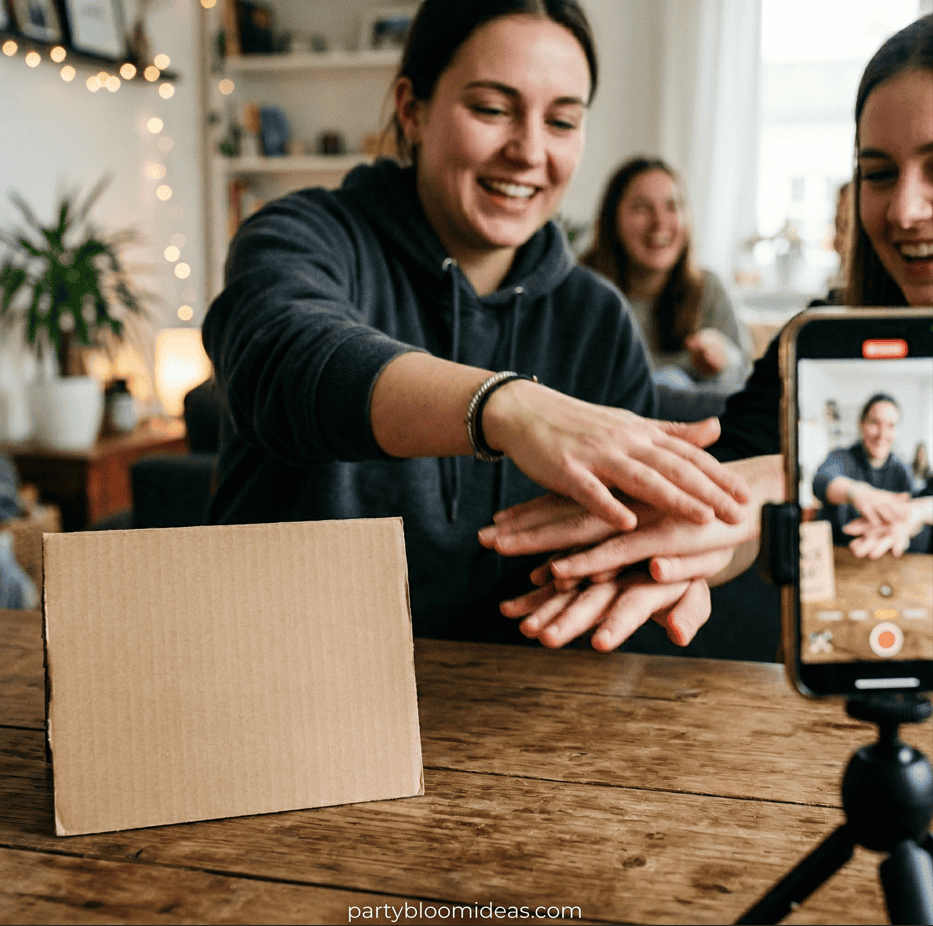
Assign each guest or pair a current viral TikTok challenge to recreate — without showing them the original first — using only a verbal description of what the challenge involves, then film each recreation and watch them back-to-back with the original for comparison. The gap between what someone imagines a challenge involves based on a description versus what it actually looks like in the original video is the primary comedy engine of this game, and 13-year-olds who are genuinely fluent in internet culture find the recreation-vs-original comparison format both entertaining and deeply relatable. Award prizes for Most Accurate Recreation, Best Improvement Over Original, and Most Creative Misinterpretation to cover all outcome types with positive recognition. This game puts 13-year-olds’ authentic cultural knowledge at the center of the entertainment, which signals genuine respect for what they care about and makes the party feel genuinely tailored to their age.
Kahoot! Trivia Tournament
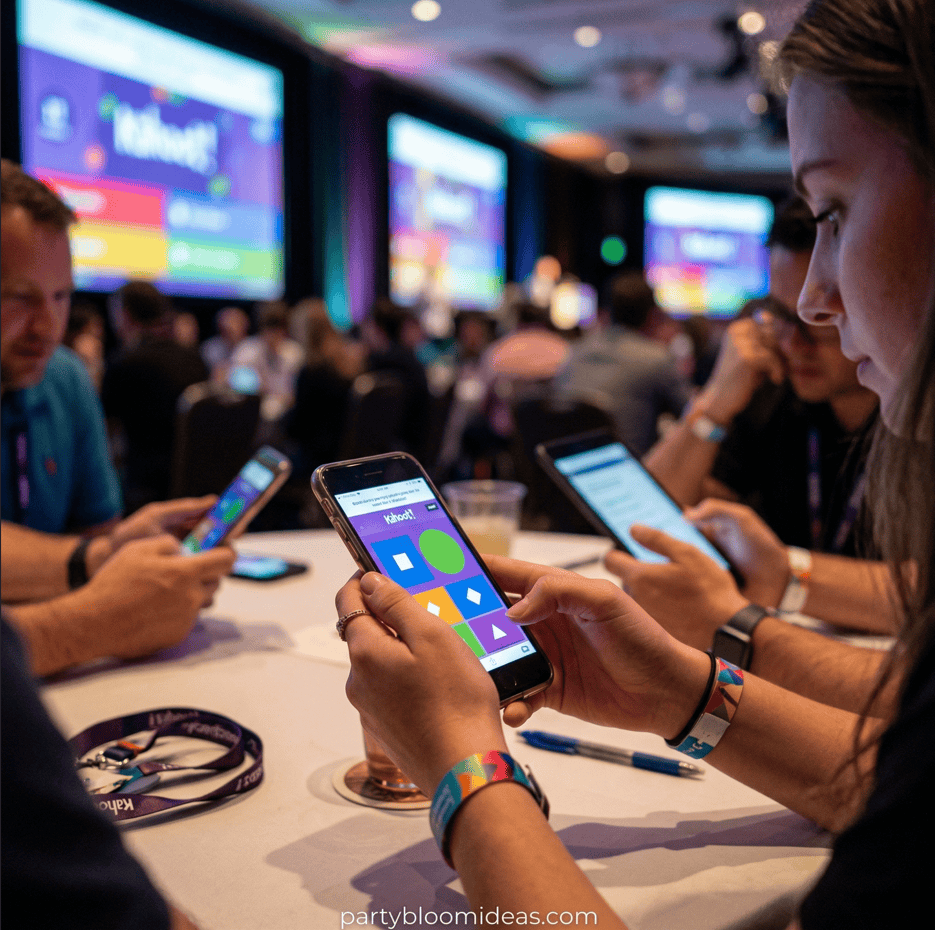
Create a custom Kahoot! quiz covering topics specifically relevant to the birthday person and their friend group — their favorite music artists, inside jokes that the group shares, pop culture references from shows they all watch, gaming knowledge, and general current events that 13-year-olds actually follow. The Kahoot! format (phones out, competitive answering, live leaderboard) is inherently engaging for this demographic because it gamifies knowledge in a format they already associate with fun rather than school. Prepare 30 questions across five themed rounds — music, gaming, movies/shows, “how well do you know [birthday person]?”, and wild card — to keep the trivia varied and prevent any single knowledge area from dominating the competition. The moment someone unexpectedly surges to the top of the leaderboard on a category no one expected them to know is one of the best surprises any teen party game can produce.
Guess the Song Challenge
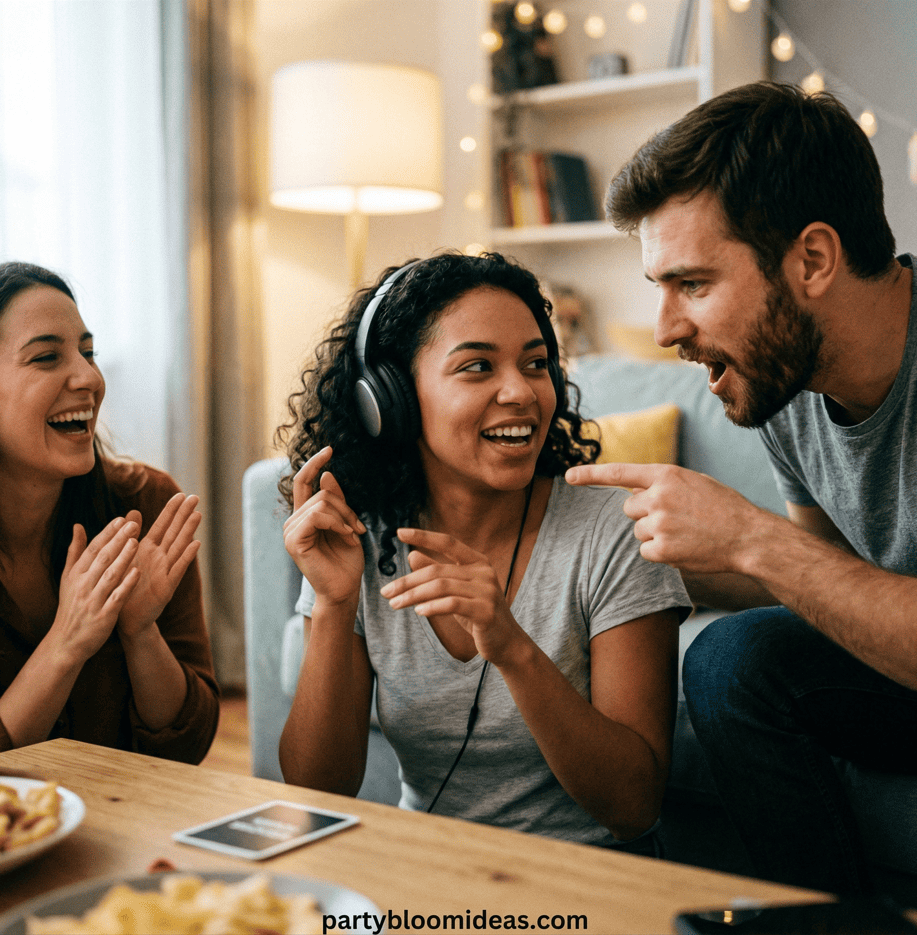
Play the first three seconds of a song — using a playlist that spans current hits, 2010s throwbacks, viral sounds from social media, and classic songs parents listen to — and challenge players to buzz in with the song title and artist for points. Three seconds is usually enough for genuinely popular songs among this age group but not enough for obscure tracks, creating a natural difficulty gradient without any need for complex scoring adjustments. Include a “hum round” where instead of the original recording, another player hums the melody and everyone else guesses — the transformation of a recognizable song into someone’s best humming attempt is reliably hilarious regardless of whether the hummed version is recognizable or not. Award bonus points for correct answers given in under one second — the prestige of the instant buzzer-in correct answer is enormous in a 13-year-old social context where being culturally knowledgeable is a genuine form of social capital.
Meme Caption Contest
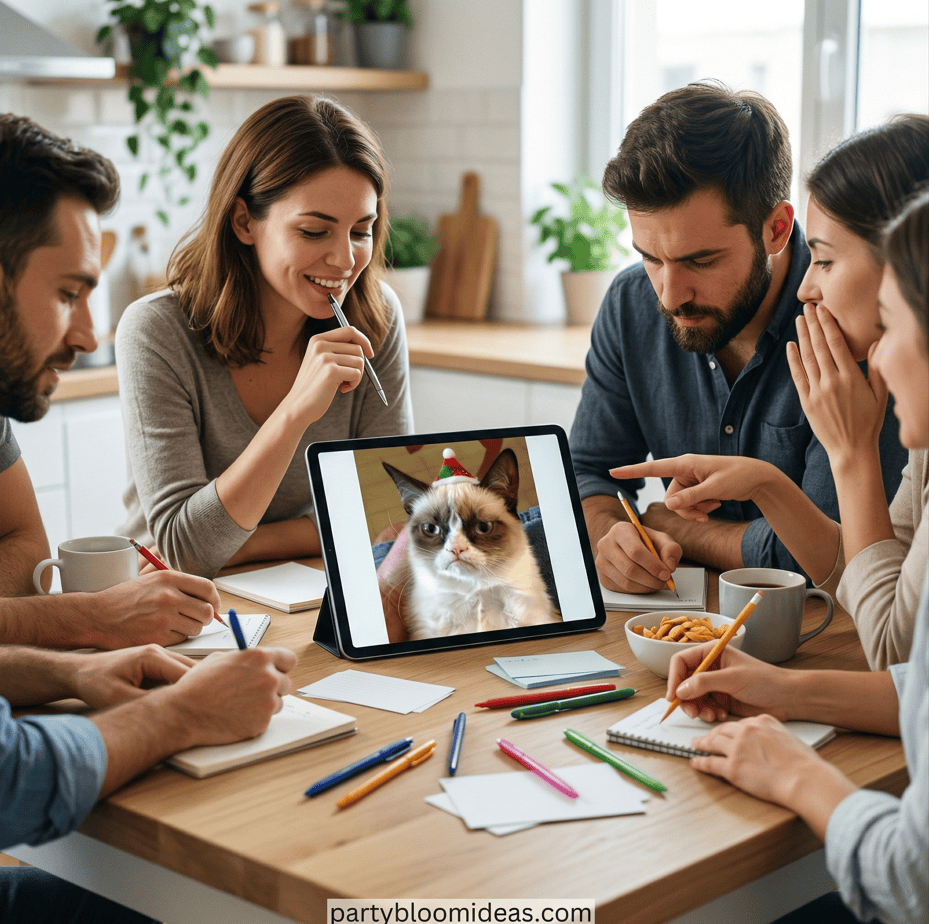
Display 10 classic meme templates on a large screen or TV without any captions, and give each player 90 seconds to write their funniest caption on paper — then read all captions aloud (anonymously) and vote for the funniest one per meme. The anonymous reading format removes social pressure from the creative process and allows genuinely funny responses to win on merit rather than on the social status of who wrote them — which is particularly important at 13 when social dynamics can suppress creativity. Use meme templates that are current enough for 13-year-olds to recognize but classic enough that context doesn’t need explanation: “This is Fine” dog, Distracted Boyfriend, Drake Yes/No, Woman Yelling at Cat, and similar universally recognized formats work best. The reading of all captions before any votes are cast generates maximum comedy because weak captions make strong captions funnier by contrast, and the group reaction to the winning caption is a genuine moment of communal appreciation.
⚡ Active & Competitive Games
Glow-in-the-Dark Dodgeball
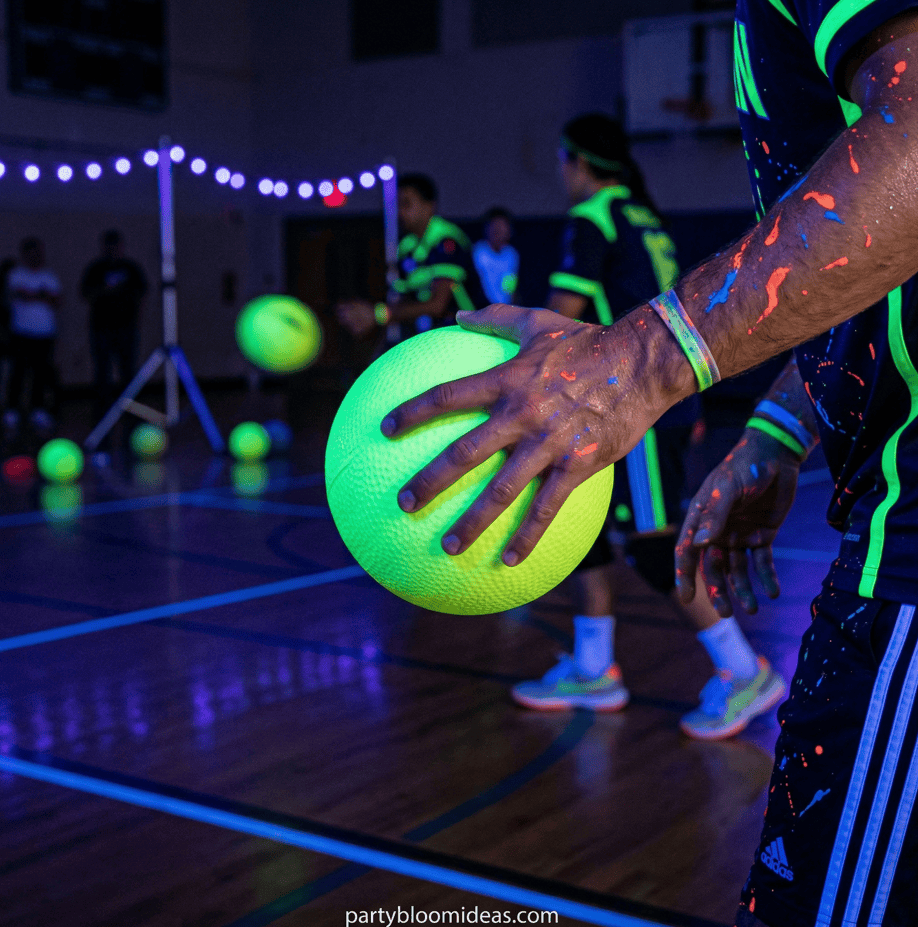
Set up a dark or semi-dark playing space with black lights, provide glow-in-the-dark bracelets and necklaces for all players to wear, and use neon-colored dodgeballs that are visible under the UV lighting for a standard dodgeball game that becomes something genuinely magical in the dark. The reduced visibility in the darkened room dramatically changes dodgeball strategy — tracking multiple glowing balls simultaneously is much harder than in full light, making the game more chaotic, more athletic, and more exciting than regular dodgeball. Provide each player with 3-4 glow accessories to start and replenish from a glow supply table throughout the evening as items inevitably get lost in the mayhem. This activity is especially impactful for evening/night birthday parties where the transition from daylight to black light creates an immediate dramatic atmosphere shift that announces “the real party has officially started.”
Laser Tag Competition
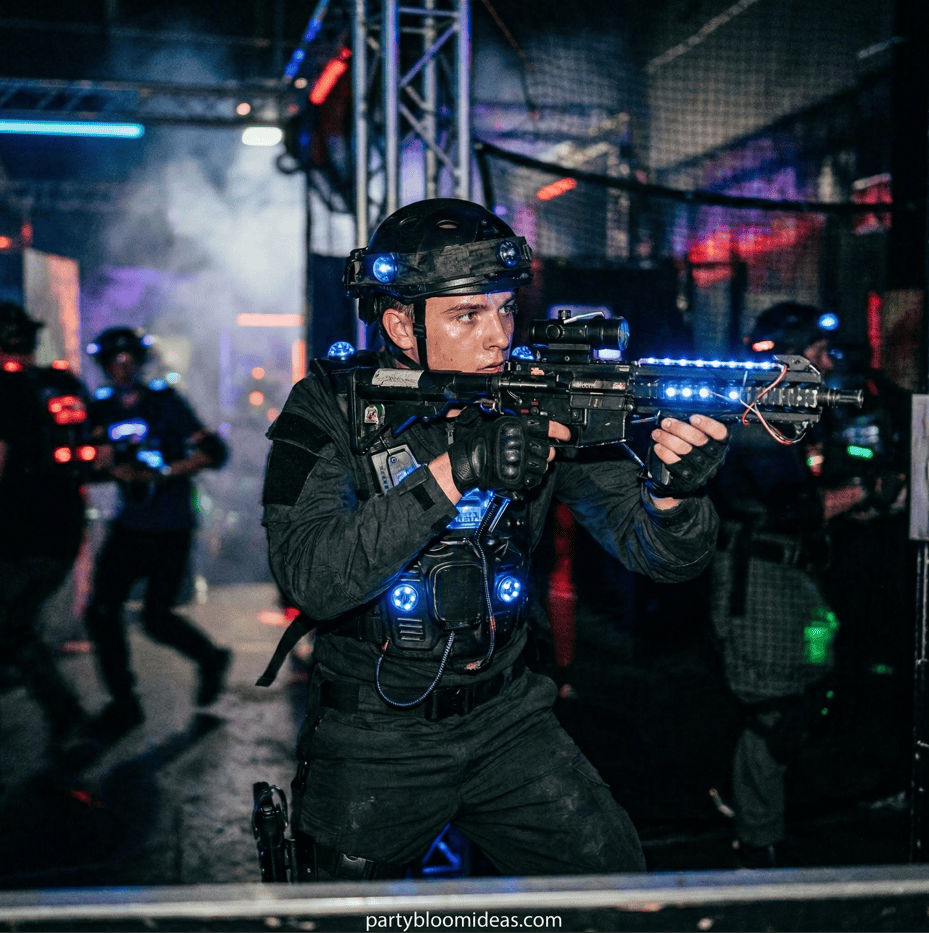
If you have access to a backyard or large indoor space, set up a DIY laser tag arena using infrared laser tag sets available on Amazon for $30-60 — designate base zones, establish rules for respawning, and organize a team tournament with multiple rounds to determine the ultimate champion. The competitive intensity of laser tag perfectly matches where 13-year-olds are socially — genuinely competitive, strategy-minded, and invested in winning — while providing enough physical movement to prevent the party from becoming sedentary. Create a tournament bracket posted visibly in the party space so all participants can track standings, and maintain a running point total throughout multiple rounds rather than single-elimination, keeping everyone engaged in all rounds. Laser tag at this age typically runs itself once the initial rules are established, allowing the hosting adults to step back while the teens self-organize a genuinely excellent competitive event.
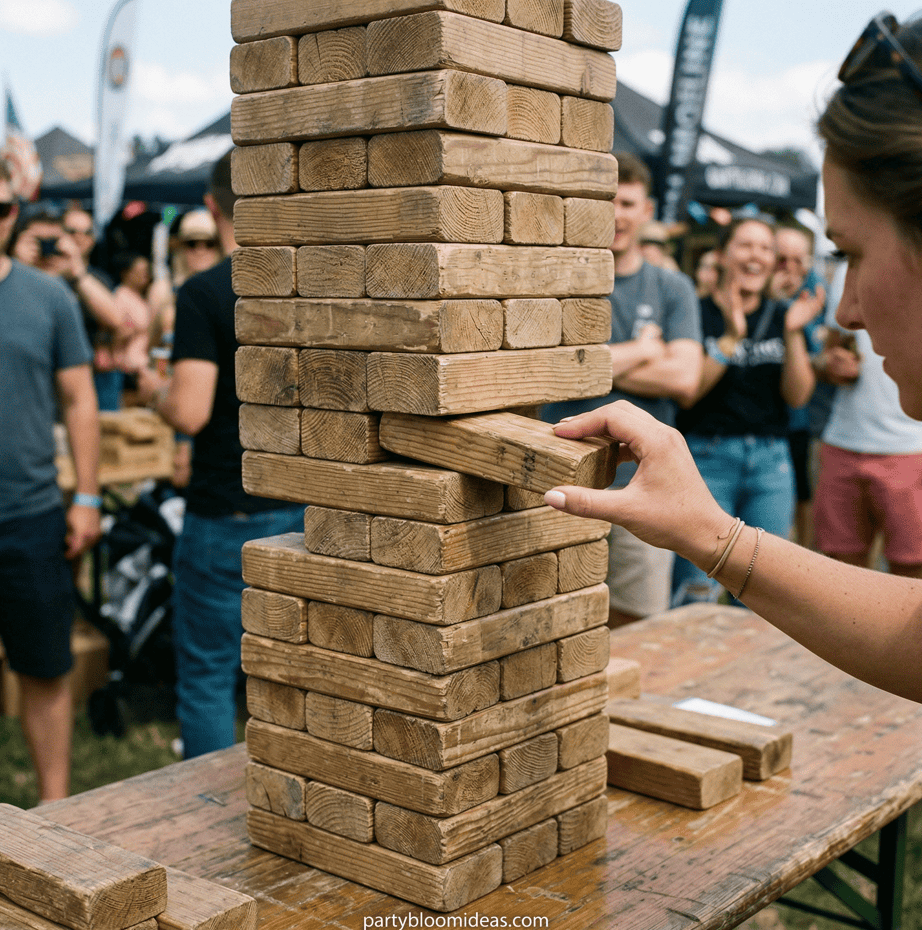
Giant Jenga Tournament
Set up an oversized Jenga set and write dares or truth questions on each block — players who successfully remove a block must either answer the truth question or complete the dare written on it before the game continues. At 13, truth-or-dare style activities are popular precisely because they navigate the social dynamics of wanting to know more about peers while having the protection of a game structure that makes the sharing feel safe and contextually appropriate. Write questions that are age-appropriate but genuinely interesting: “Tell us your most embarrassing moment from middle school,” “Who in this room would you want on your zombie apocalypse team?”, and “What’s a secret talent no one here knows you have?” The Jenga structure adds a physical skill layer to what would otherwise be purely a social game, and the combined tension of “will the tower fall?” plus “what question will I have to answer?” creates genuinely gripping moment-to-moment engagement.
Sardines (Reverse Hide and Seek)
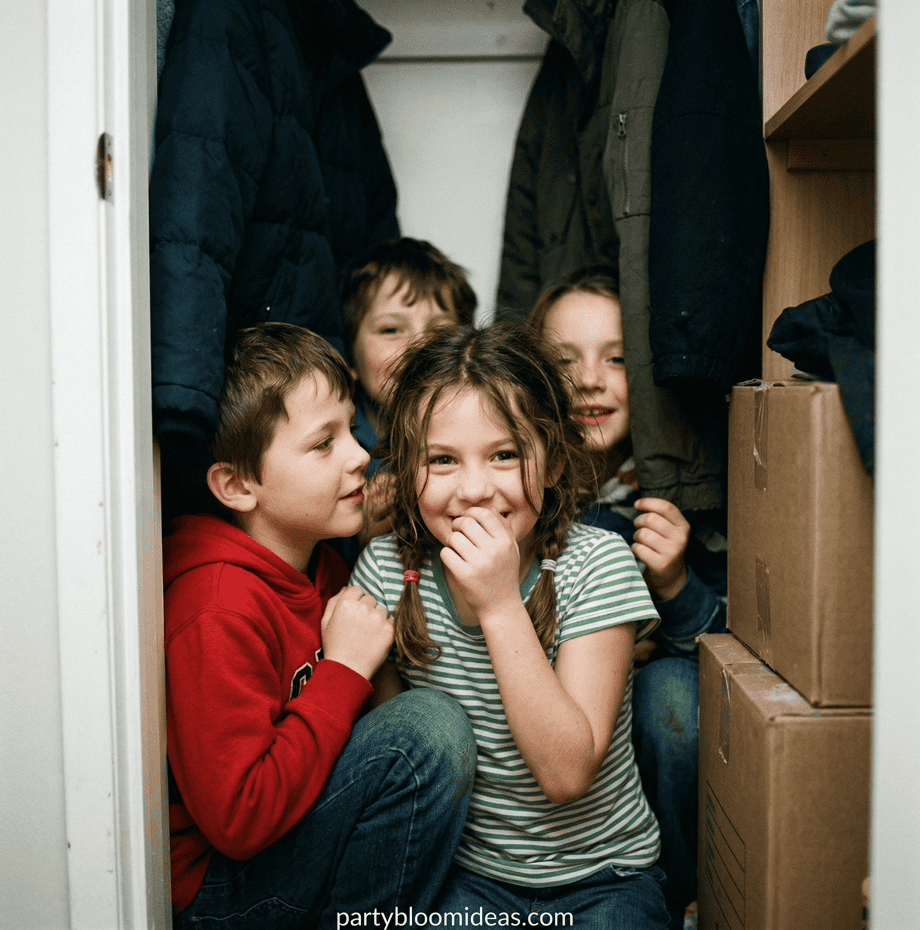
One player hides while everyone else counts to 60 with eyes closed, then everyone searches individually — when you find the hidden person, you quietly join them in the hiding spot and stay hidden until the entire group has crammed into the increasingly crowded hiding location, with the last person to find everyone being “it” next round. The genius of Sardines over regular hide-and-seek is that the dramatic tension builds in reverse — the hiding spot gets more crowded and harder to maintain silence in as more people pile in, and the last searchers walk past an entire group of teens trying desperately not to make a sound while squeezed behind a couch or into a closet together. This game works brilliantly in houses with interesting hiding spots: basements, large closets, under staircases, and rooms with furniture that can conceal multiple people. Thirteen-year-olds who might roll their eyes at “hide and seek” are completely hooked on Sardines within one round because the social, collaborative hiding element fundamentally changes the game’s social dynamic.
Mafia / Werewolf
Run a full game of Mafia (or Werewolf) with the birthday party group — assign secret roles (Mafia/Werewolves, Detectives, Doctors, and Villagers) on secret cards, then alternate between night phases (eyes closed, Mafia silently communicates their elimination choice) and day phases (everyone debates who to eliminate by vote). Thirteen-year-olds are developmentally perfect for Mafia because they have the social awareness to read subtle deception cues, the verbal confidence to argue their position publicly, and the strategic thinking to manage multiple possibilities simultaneously across rounds. Appoint a confident adult or the birthday person as the game narrator who manages phases, announces eliminations with theatrical flair, and provides just enough drama to keep non-players engaged. A full 8-10 person game typically runs 25-40 minutes and produces the kind of intense, memorable social experience that teen groups talk about for weeks afterward — “remember when [name] convinced everyone they were innocent for four rounds?” becomes a legendary party story.

🎨 Creative Challenge Games
Blindfolded Makeup Challenge
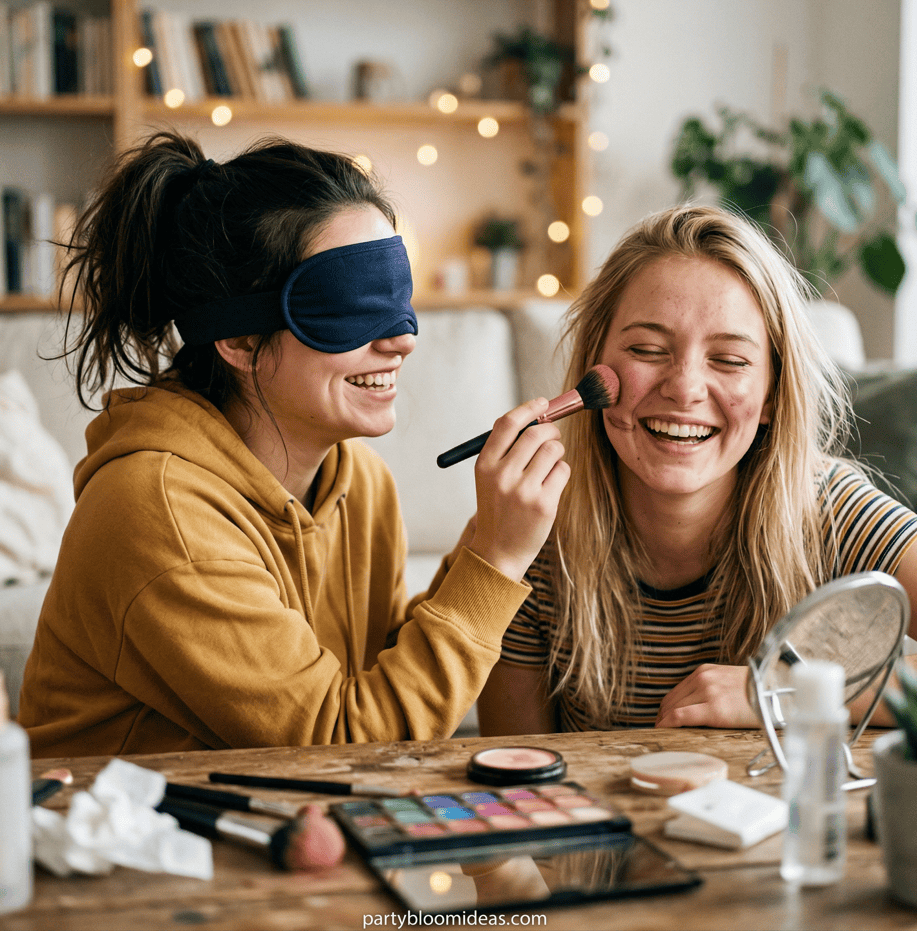
Pair teens into makeup artist and model pairs, blindfold the makeup artist, provide a basic makeup kit (nothing permanent or difficult to remove), and give them 90 seconds to apply makeup to their partner’s face while blindfolded — then reveal all completed looks simultaneously for a group judging moment. The results are invariably spectacular in their chaos — lipstick applied to cheekbones, eyeshadow on chins, blush in genuinely mysterious locations — and the model’s expression seeing their finished look in a mirror for the first time is always priceless. This works equally well for mixed-gender friend groups because the absurdity levels the playing field — no one looks good in a blindfolded makeup application, making it a safe and hilarious equalizer. Follow the challenge with face wipes and a “before and after” reveal photo session that documents both the masterpiece and the clean-up.
DIY Music Video
Divide into groups of 3-4, give each group a randomly assigned song and 15 minutes to choreograph, costume (using party supplies and whatever’s available), and film a 30-second music video for their song — then screen all videos for the full group at the end. Provide a basic “costume box” filled with silly hats, scarves, sunglasses, and costume accessories so groups have materials to work with, and let them use any phone or device to film their video. Thirteen-year-olds are remarkably capable video producers when given minimal tools, genuine creative freedom, and a time constraint that prevents overthinking — the 15-minute limit forces immediate commitment to ideas that might otherwise get abandoned through perfectionism. Screen the finished videos on a TV with the full party audio and watch as the group reacts to each other’s creative choices with the specific mix of pride, embarrassment, and genuine appreciation that only peer audiences can generate.

Escape Room Challenge
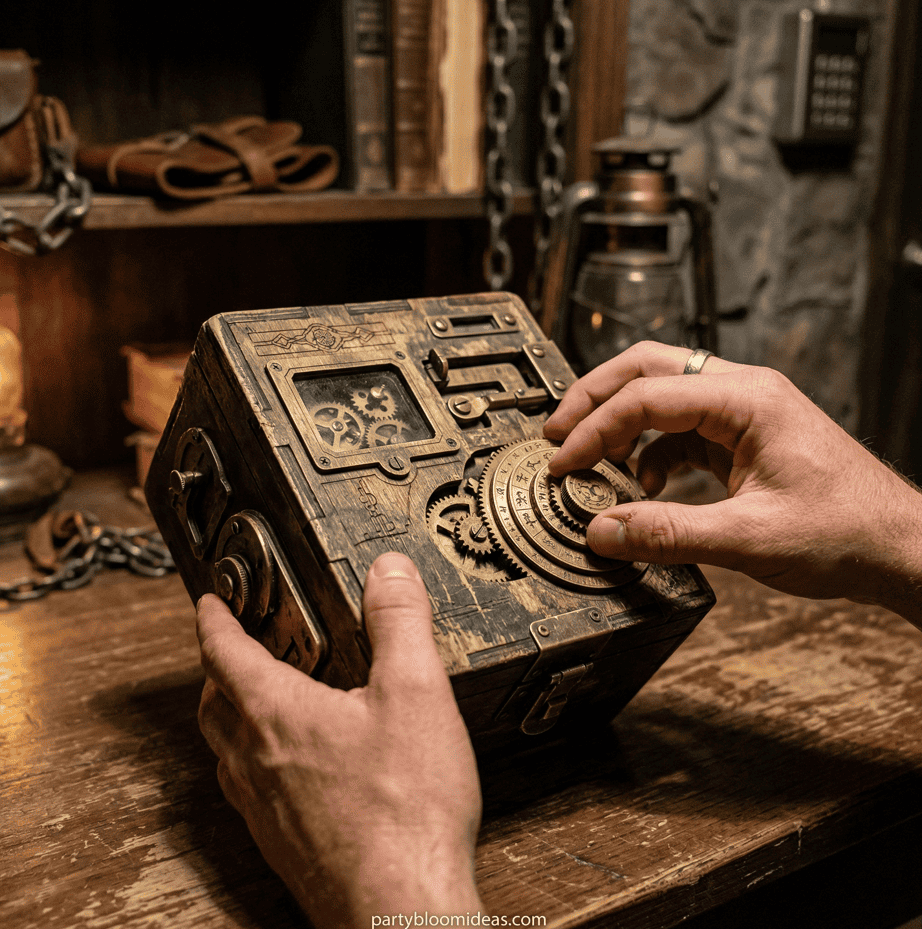
Create a 20-minute DIY escape room experience using a single room of your house — hide clues in books, under furniture, in envelopes, and behind picture frames; use combination locks (their combinations revealed by solving clues); and culminate in a final code that opens a box containing a prize or the “escape key.” Design the clue chain to require approximately 5-7 steps, each one leading to the next, with the difficulty calibrated so the group can solve it without adult hints in under 20 minutes if working efficiently. Write clues that use wordplay, simple math, pattern recognition, and visual puzzles — a mix of puzzle types ensures different kids’ strengths contribute different clues, making the escape room a genuine team endeavor rather than a one-person-does-everything-while-others-watch situation. Thirteen-year-olds are passionate about escape rooms because the format combines the social pleasure of problem-solving together with genuine time pressure and a satisfying physical completion moment when the final lock opens.
Roast Battle (Kind Version)
Pair teens into friendly roast battle pairs where each person has 60 seconds to deliver their best clean, funny observations about their partner — focused on shared memories, funny quirks everyone knows about, and lighthearted teasing rather than anything genuinely hurtful — with the group rating each roast on a 1-10 scale. Emphasize before the game that the best roasts are the ones everyone finds funny including the target, and that any joke that makes the target genuinely uncomfortable results in a penalty score rather than a bonus. Thirteen-year-olds have already developed sophisticated comedic sensibilities and genuine understanding of when humor crosses from fun into cruelty, making them surprisingly good calibrators of where that line falls in their friend group context. The birthday person should be a judge rather than a participant to preserve their party-day dignity, and their role as judge gives them authority and centeredness during their own celebration without requiring them to potentially be on the receiving end of roast material.

💬 Social & Icebreaker Games
Two Truths and a Lie: Teen Edition
Each player shares three statements about themselves — two true and one fabricated — while the group votes on which one they believe is the lie, with points awarded for successfully fooling people and for correctly identifying lies. Thirteen-year-olds often choose revelations that surprise their close friends (“I once met a celebrity at the grocery store” or “I was afraid of butterflies until I was 9”) making this genuinely informative as well as entertaining even for people who’ve known each other for years. Create a custom scorecard and keep running totals so there’s a champion at the end — the competitive element transforms what can be a passive sharing activity into something people invest genuine strategy into. The lies that successfully fool the entire group become the legendary party moments: “I can’t believe you all actually believed I was on a TV show as a baby” generates the kind of shocked, delighted reaction that’s the hallmark of a great party story.
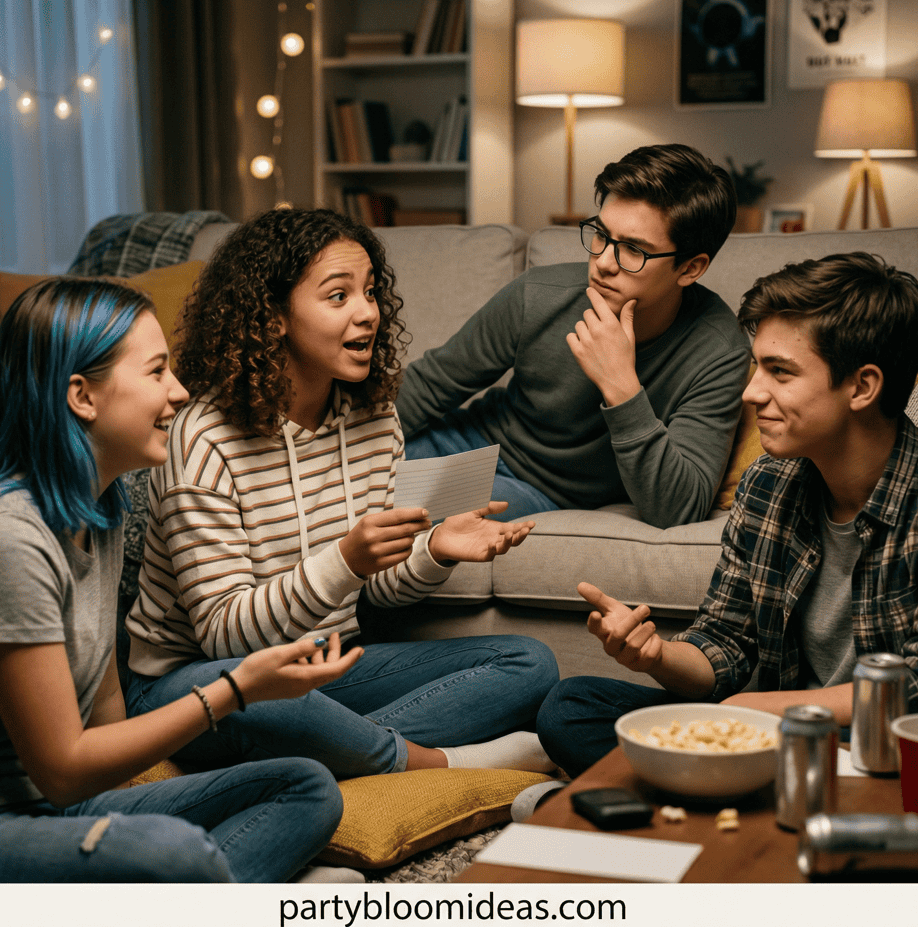
Never Have I Ever (PG-13 Edition)
Play Never Have I Ever with carefully curated statements that are interesting and revealing without being inappropriate for the age group — use prompts like “Never have I ever pulled an all-nighter,” “Never have I ever cried at a movie,” “Never have I ever eaten an entire pizza by myself,” and “Never have I ever pretended to be sick to skip something” to generate genuine laughter and surprising revelations. Instead of using drinks, have players hold up 10 fingers and put one down for each statement that applies to them — the first person to put down all 10 fingers shares their most interesting “I have” story from the game, creating a natural storytelling finale. At 13, “Never Have I Ever” is beloved because it creates a structured format for sharing information that would be socially awkward to volunteer unprompted — the game permission makes the sharing feel natural and fun rather than overly personal or forced. Prepare 30-40 statements in advance so you never run out of prompts and can maintain momentum throughout the entire game without pauses.
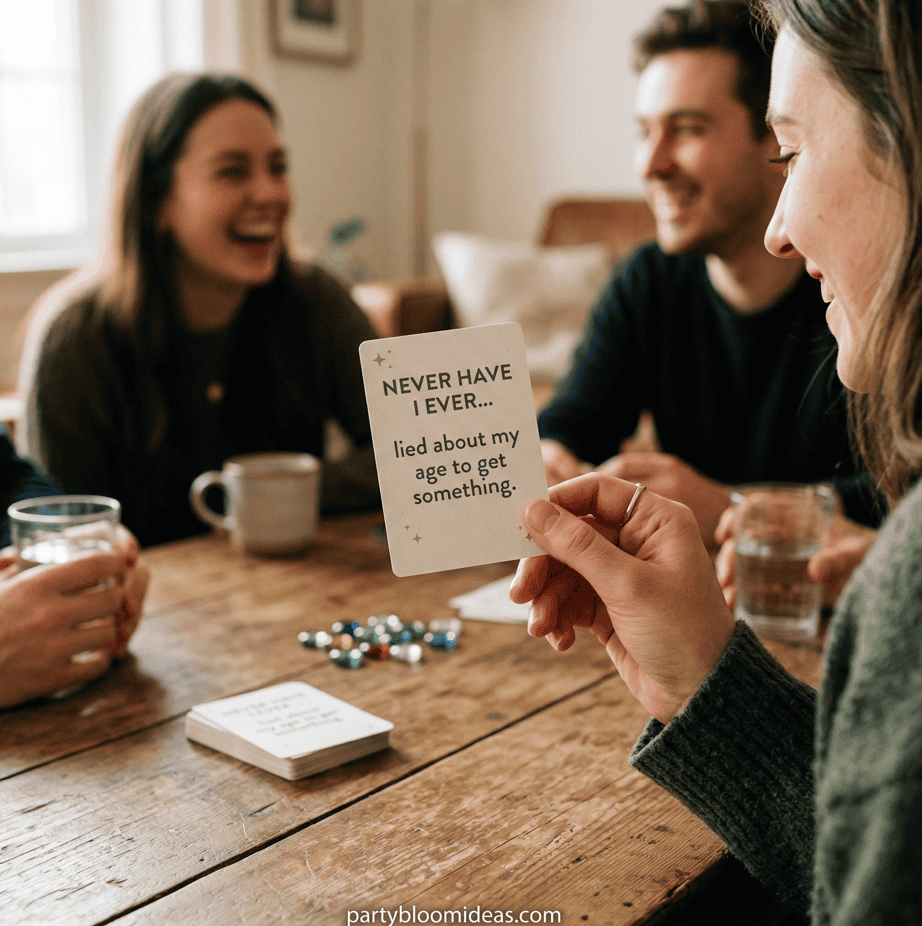
Paranoia Game
Sit in a circle where one person whispers a question (“Who is most likely to become famous?”) to the person on their right, who must whisper the name of someone in the circle as their answer — if the person whose name was said wants to know what the question was, they must flip a coin, and heads means the question is revealed while tails means it stays secret. The “paranoia” element of knowing your name was said but potentially never learning why is genuinely delicious social tension, and most people eventually flip the coin regardless of the outcome they’re hoping for because the not-knowing is worse than whatever the question might be. The questions should be positive or playfully teasing rather than cruel: “Who has the best laugh?”, “Who would you call if you were in trouble?”, “Who is most likely to be famous in 10 years?” — questions that require people to think genuinely about the people in the circle create authentic connection alongside the game mechanics. This is one of the most consistently popular games among the 13-year-old demographic because it sits perfectly at the intersection of social curiosity and managed vulnerability.

Compliment Roulette
Spin a bottle (or use a random name selector app) to land on a player, and every other person in the circle must give that person a genuine, specific compliment within 5 seconds — “you’re nice” doesn’t count, but “you’re the person I’d want on my team for literally any group project” absolutely does. The specificity requirement forces real reflection about each person rather than generic compliments that feel hollow, and the 5-second time limit prevents overthinking or people being left out because no one can think of something to say. After receiving compliments, the player responds with their favorite compliment they received — making it explicitly about which one resonated most — which both acknowledges the giver and reveals something about what the recipient values. This game is genuinely impactful at 13th birthday parties because it creates a structured, safe context for positive peer feedback at exactly the developmental moment when identity and peer perception are most formative and most important.
Hot Takes Tournament
Players take turns making deliberately controversial but low-stakes “hot takes” — strong opinions about movies, food, music, or daily life scenarios — and the group votes on whether the take is “scorching” (genuinely outrageous), “warm” (controversial but defensible), or “ice cold” (actually the correct take that everyone secretly agrees with). Hot takes topics for this age group are endlessly rich: “Minecraft is better than Fortnite,” “Rain days are objectively better than sunny days,” “Liking pineapple on pizza is a personality test and people who hate it are wrong,” “School uniforms would actually be a relief, and here’s why.” The debate element that emerges after particularly divisive takes — where the room splits dramatically between Scorching and Ice Cold voters — produces genuine teenage discourse that’s simultaneously hilarious and surprisingly thoughtful. Award points for takes that split the room exactly 50/50, as perfectly divisive opinion is the hardest to achieve and deserves maximum recognition.
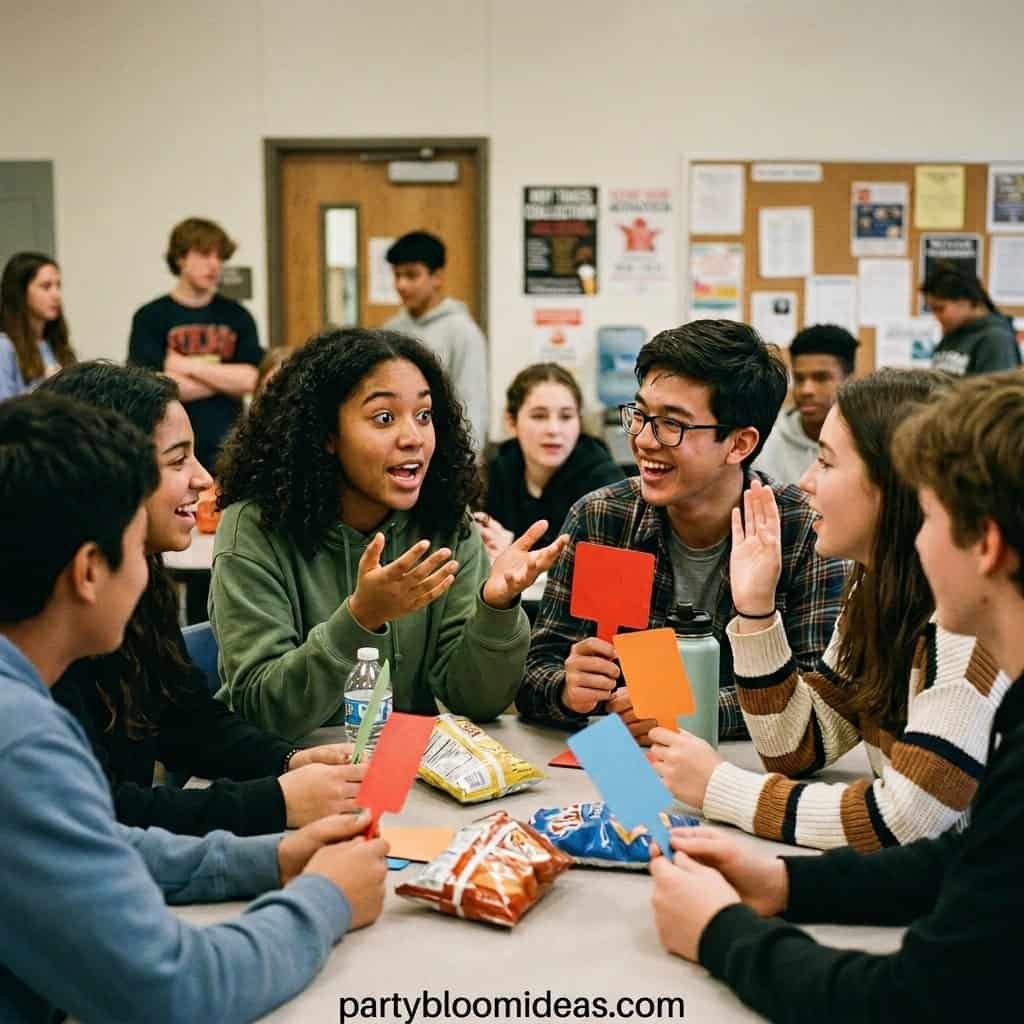
Wink Murder
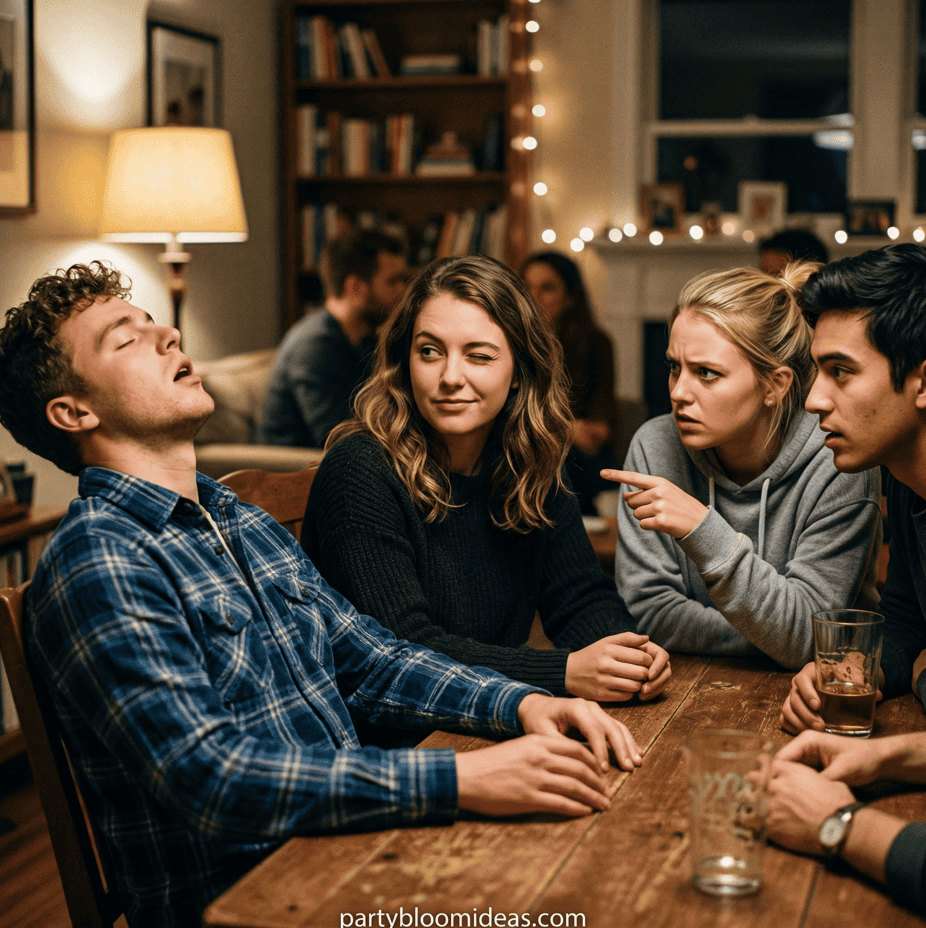
Deal cards to all players — one player receives the Murderer card while all others receive Innocent cards — and then everyone sits in a circle making eye contact with each other while the Murderer secretly winks at individuals to “kill” them, and killed players must wait 5 seconds before dramatically “dying”.
Living players can make one accusation per round, and if the accusation is correct the Murderer loses, but if wrong the accuser is eliminated — creating a detective puzzle that requires reading subtle social cues, managing suspicion, and making high-stakes decisions under social pressure.Thirteen-year-olds are developmentally primed for this game because they’re naturally developing the social cognition required to read subtle cues, manage deception, and navigate social trust — Wink Murder formalizes and gamifies exactly those emerging skills. The dramatic deaths are the entertainment engine — encourage theatrical commitment and reward the most creative death scenes with a “Best Performance” acknowledgment that gives every player something to perform for beyond just winning.
Speed Friending
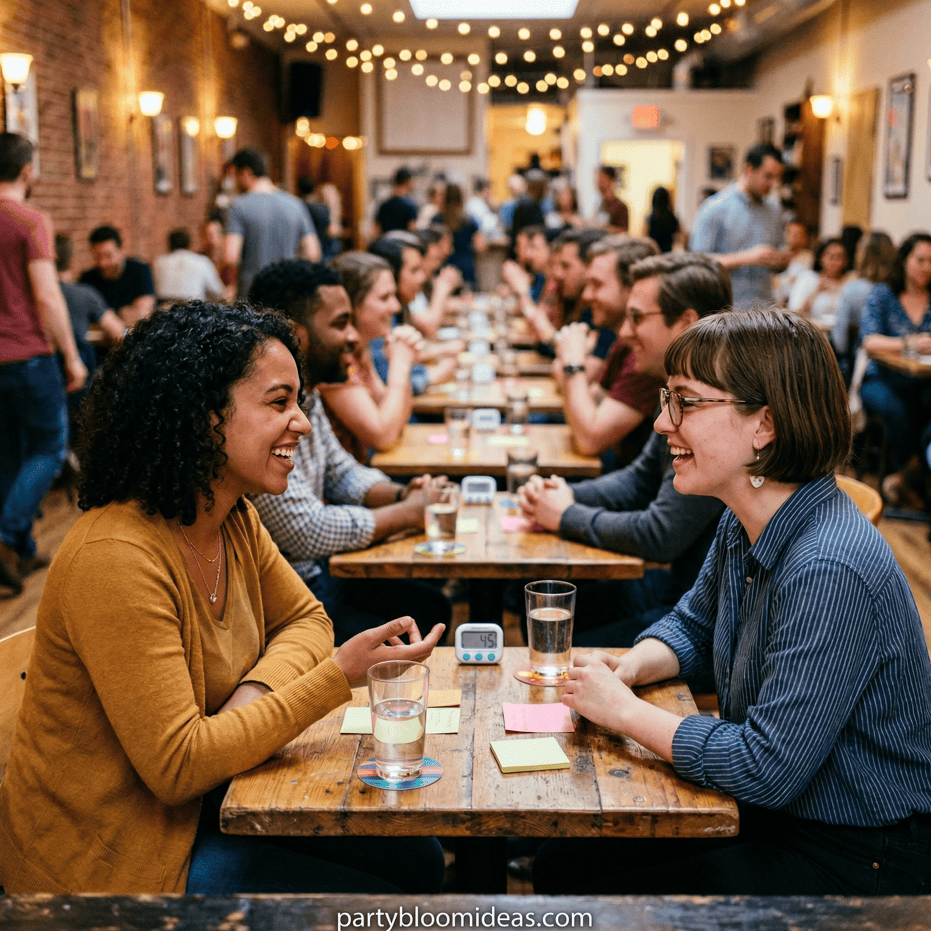
Arrange chairs in two rows facing each other and run a “speed friending” session where pairs have 2 minutes to answer a rotating set of questions designed to create genuine connection — then move one row along to face a new partner. Questions should be interesting rather than surface-level: “What’s something you’re secretly proud of?”, “What’s the most adventurous thing you’ve ever done?”, “If you could add one class to your school curriculum, what would it be and why?”, and “What’s something you want to do in the next five years?” The 2-minute time limit creates urgency that bypasses the awkward silences that characterize teen first conversations, and the format guarantees every guest has a direct conversation with every other guest during the party — an outcome that rarely happens organically at teen gatherings where friend clusters form and maintain themselves. At a 13th birthday with mixed-familiarity friend groups, this game is genuinely valuable for ensuring no guest feels like an outsider.
Bucket List Wall
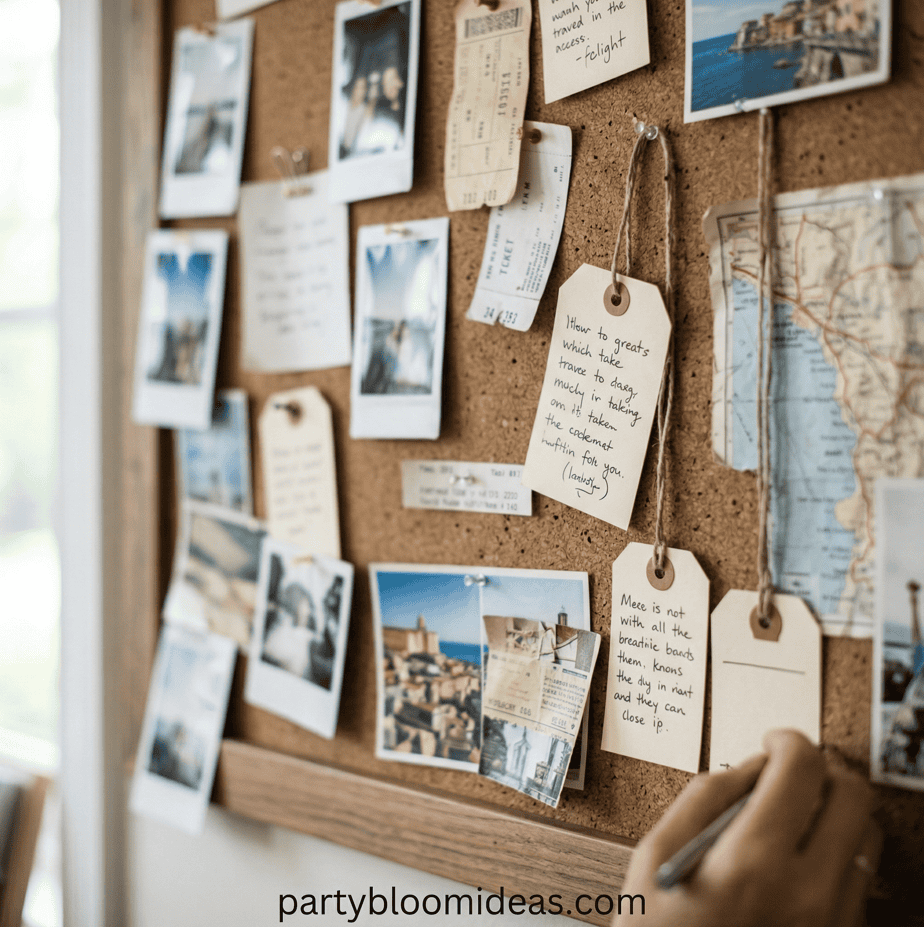
Set up a large poster or section of wall with sticky notes and pens, and invite every party guest to write 2-3 things on their bucket list and post them — then give everyone 10 minutes to walk around reading all the lists and placing a star sticker on any bucket list item they want to do too. The resulting collection of bucket list items from a group of 13-year-olds is invariably fascinating — a mix of the deeply ambitious (“visit all seven continents”), the surprisingly specific (“try every Starbucks drink at least once”), the socially revealing (“find my genuine best friend”), and the adorably earnest (“learn to skateboard properly”). After everyone has read and starred, the host announces the most-starred bucket list items — the dreams that resonated most universally with the whole group — as a shared moment of aspiration and connection. Give the birthday person the completed wall as a keepsake so they have a physical record of what their closest people dream about at this moment in their shared lives.
🎉 Welcome to the Teen Years — Let’s Celebrate Right!
Thirteen only happens once, and it deserves a party that feels genuinely special — not too young, not trying too hard to be grown-up, just perfectly calibrated to this unique and exciting moment. These 21 games will get you there.
🎮 More teen party ideas at PartyBloomIdeas.com 🎮
Read More :21 Exciting Birthday Party Games for 12-Year-Olds (2026)